Heating Working But No Hot Water? How to Fix Your Combi Boiler in the UK
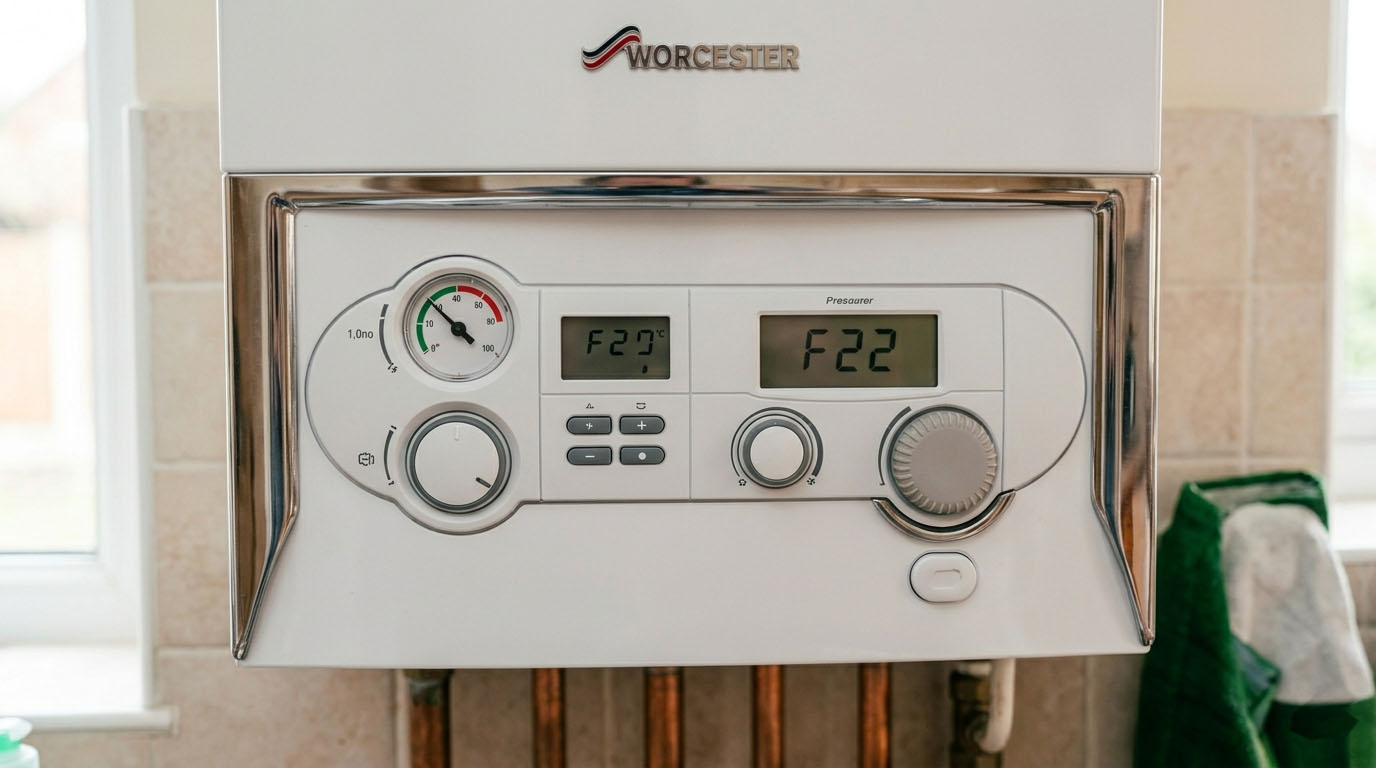
If your central heating is working perfectly but the hot water taps are running cold, you almost certainly have a combi boiler fault — and in most cases it comes down to one of five specific causes. This guide walks through each one in order of likelihood, starting with the checks you can do yourself right now, and finishing with what to expect when a Gas Safe engineer is needed.
Stuck Diverter Valve
Most common cause — valve locked in heating mode
Low Boiler Pressure
Below 1 bar cuts hot water delivery first
Thermostat / Timer
Hot water accidentally switched off or timer reset
Frozen Condensate Pipe
Winter blockage shuts the boiler down safely
Flow Sensor / Limescale
Faulty sensor or scaled heat exchanger
Quick Navigation
- Step 1 — Safe checks to do right now
- Step 2 — The diverter valve (most likely cause)
- Step 3 — Boiler pressure and error codes
- Step 4 — Thermostat and timer settings
- Step 5 — Frozen condensate pipe (winter)
- Step 6 — Flow sensor and limescale
- The 5-minute diverter valve touch test
- When to call an engineer and what it costs
- Recommended products
1. Safe Checks to Do Right Now — Before Assuming a Fault
A significant number of "no hot water" boiler call-outs in the UK turn out to be a settings issue that takes two minutes to fix. Run through these before assuming anything is broken.
-
Check the hot water is turned on in the boiler settings. Most UK combi boilers have a separate hot water on/off dial or button on the front panel. It is easy to knock accidentally, and a recent power cut may have reset it.
-
Check your programmer or timer. If your boiler runs on a schedule, the hot water zone may have been switched off — especially after the clocks change or following a power cut. Also check any smart thermostat app: if your thermostat is not working correctly, it can silently prevent the hot water circuit from being called.
-
Try a boiler reset. Modern combi boilers lock out after minor faults. A reset (usually a button on the front panel — check your manual) clears temporary errors. Wait two minutes after resetting before testing the hot tap.
-
Check the pressure gauge. The needle should sit between 1 and 1.5 bar when the system is cold. Below 1 bar, hot water delivery is often the first function to be restricted. See Section 3 for full details.
-
Check the tap aerator. If only one tap is affected and the others produce hot water normally, the problem is not the boiler. Remove and clean the aerator filter — a blocked screen is a common culprit, especially after pipework work.
If all five checks come back fine and hot water is still not working, the issue is almost certainly internal. Continue through the sections below.
2. The Diverter Valve — The Most Common Cause
If your central heating is working but there is no hot water, the diverter valve is the first internal component to suspect. According to Worcester Bosch, diverter valve failure is among the top three combi boiler faults in the UK — especially in units more than 8 to 10 years old.
What it does
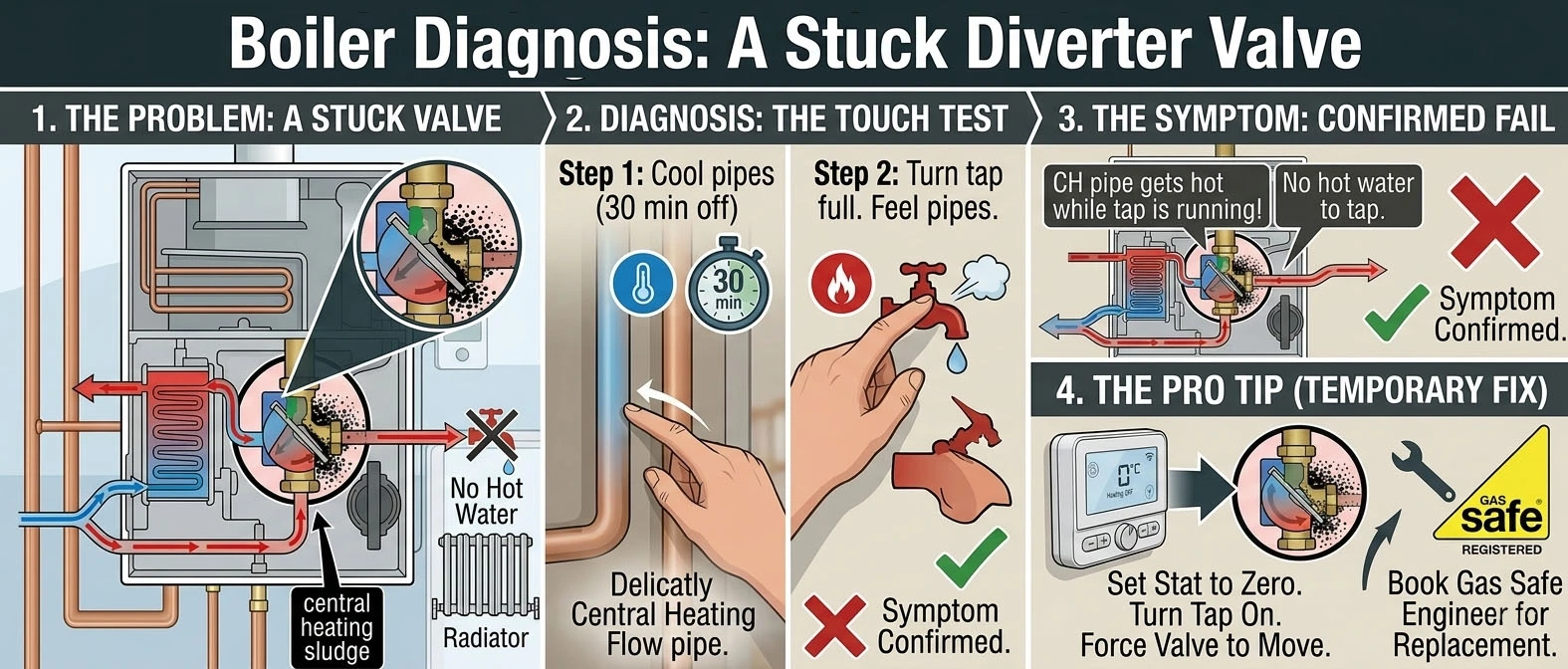
The diverter valve is a motorised flap inside the boiler that switches water flow between two circuits: your radiators and your hot water taps. When you open a hot tap, it should flip to the hot water position. When you close the tap, it returns to heating mode.
How it fails
Over time, central heating sludge (black iron oxide debris) builds up inside the valve mechanism. The valve gradually stiffens until it seizes in the "heating" position. This sludge problem is the same underlying cause as cold downstairs radiators — it affects the whole system, not just the boiler.
Signs your diverter valve is failing
- Hot water taps produce cold water even though the boiler fires up normally
- Radiators get warm when you open the hot tap, even with the heating switched off
- Hot water only works when the heating is already on and the system is up to temperature
- Water temperature from the tap fluctuates sharply — briefly warm then immediately cold
- You can hear a struggling or vibrating sound from the boiler when the hot tap is turned on, as the valve tries and fails to switch
Preventing sludge build-up is the best way to extend diverter valve life. A magnetic system filter captures iron particles before they circulate through the boiler, and a central heating inhibitor slows the internal corrosion that produces that sludge in the first place.
3. Low Boiler Pressure and What Error Codes Mean
Very low pressure (below 0.5 bar) usually causes a full lockout — no heating and no hot water at all. But when pressure sits in the borderline zone between 0.5 and 1 bar, some modern condensing boilers behave erratically, and hot water is often the first function to fail.
Check the pressure gauge on the front of your boiler. For a healthy UK system, the needle should sit between 1 and 1.5 bar when the system is cold. Our full guide on what boiler pressure should be covers how to repressurise safely using the filling loop. If pressure keeps dropping back into the red every few days, there is likely a hidden leak — our guide on why boiler pressure drops overnight covers the most common causes.
| Error Code | Boiler Brand | What It Means | Immediate Action |
|---|---|---|---|
| F22 | Vaillant | Low water pressure — system cannot operate safely | Repressurise via filling loop to 1.5 bar, then reset |
| F1 | Ideal | Low water pressure — heating may still work briefly | Add water via filling loop, monitor for repeat drops |
| EA / 227 | Worcester Bosch | Flame detection fault — often a frozen condensate or moisture in electronics | Check condensate pipe (Section 5), try one reset |
| E9 | Baxi / Potterton | Safety cut-out triggered — overheat or flow fault | Let boiler cool, reset once; call engineer if it repeats |
| F.28 / F.29 | Vaillant | Ignition fault — gas supply or ignition component issue | Check gas supply to other appliances; call engineer if confirmed |
4. Thermostat and Timer Settings
This is the most overlooked cause — and the easiest to fix. A power cut, a clock change, or someone accidentally adjusting the controls can switch off hot water without any fault in the boiler itself.
- Check the hot water temperature dial. Many combi boilers have a separate dial for the maximum hot water temperature. If this has been turned down to minimum, water will feel cold at the tap even though the boiler is firing. Set it to around 55–60°C.
- Check smart thermostat zones. If you use a Hive, Nest, or similar system, the hot water zone is controlled separately from heating. A power cut or Wi-Fi reboot can reset zone schedules or disconnect the device from the boiler hub — check the app and re-pair if needed.
- Check the programmer timer. On older UK properties with a separate programmer box, ensure hot water is scheduled to be on. Most have a manual "boost" button for hot water that bypasses the schedule — try this as a quick test to confirm whether the programmer is the issue.
Upgrading to a digital thermostat with clear hot water controls eliminates most accidental setting issues and gives you much better visibility of what the system is actually doing.
5. Frozen Condensate Pipe — A Common Winter Cause
During cold snaps, a frozen condensate pipe is one of the most common reasons a combi boiler suddenly stops producing hot water. The condensate pipe carries acidic waste water from the boiler to an outside drain, and because it runs through cold air — often along an exterior wall — it can freeze in temperatures below around −2°C.
When the boiler detects a blockage, it shuts down as a safety measure. Your display will typically show an ignition fault code (Worcester Bosch EA, Vaillant F28/F29, or similar), and you may hear a gurgling sound before the lockout occurs.
How to safely thaw a frozen condensate pipe
- Locate the pipe. It is usually a white or grey plastic pipe (32mm or 40mm in diameter) running from the boiler to an outside wall or internal drain, typically at a downward angle.
- Apply warm water. Pour warm — not boiling — water over the frozen section, or hold a hot water bottle against it. Never use a blowtorch or heat gun on a plastic condensate pipe.
- Reset the boiler. Once the blockage clears you should hear the water draining. Press the reset button, wait two minutes, then test the hot water.
- Insulate to prevent a repeat. Fitting condensate pipe insulation is a straightforward DIY job that takes about 20 minutes and avoids an emergency call-out every winter.
6. Flow Sensor Faults and Limescale on the Heat Exchanger
If everything above checks out and hot water is still not working, the problem may be with the domestic hot water flow sensor or the secondary heat exchanger.
Flow sensor fault
The flow sensor detects when you open a hot tap and tells the boiler to switch into hot water mode. If it is faulty, the boiler simply does not register that there is hot water demand — so it does not switch, even though everything else is working. The key difference from a diverter valve fault is that with a faulty flow sensor, the boiler does not fire at all when the tap is turned on, rather than firing but sending heat to the radiators. This is an internal repair and requires a Gas Safe engineer.
Limescale on the secondary heat exchanger
In hard water areas — particularly London, the South East, and the Midlands — limescale gradually coats the secondary heat exchanger that heats the water going to your taps. Symptoms include hot water that fluctuates in temperature, weak pressure from hot taps despite normal mains pressure, or a kettling or boiler vibrating noise during hot water use. An engineer can carry out a descale, and a scale reducer fitted at the mains inlet will slow future build-up considerably.
The 5-Minute Diverter Valve Touch Test
Before calling an engineer, this simple test confirms whether a stuck diverter valve is the likely culprit. It requires no tools and takes about five minutes.
Step A — Cool the system
Switch the central heating OFF at the thermostat and wait at least 30 minutes. The heating pipes under the boiler need to be fully cool to the touch before you begin.
Step B — Run the hot tap
Turn your kitchen hot tap on full. While it is running, carefully feel the two copper flow pipes that lead from the boiler into the central heating circuit — usually 22mm diameter, running horizontally or downward from the boiler body.
Heating pipes stay cold: The diverter valve is switching correctly. The problem is more likely a flow sensor fault, borderline pressure, or limescale — review Sections 3 and 6 above.
When to Call a Gas Safe Engineer — and What It Costs
If the checks in this guide have not restored hot water, an internal boiler repair is needed. Under the Gas Safety (Installation and Use) Regulations 1998, working on internal gas components is a regulated activity in the UK. Doing this yourself is illegal, can void your boiler warranty, and may invalidate your home insurance.
| What YOU Can Do (DIY) | What ONLY a Gas Safe Engineer Can Do |
|---|---|
|
|
Typical UK repair costs in 2026
| Repair | Estimated Cost (parts + labour) | Notes |
|---|---|---|
| Diverter valve replacement | £200 – £350 | Worcester Bosch parts typically at the higher end |
| Flow sensor replacement | £120 – £200 | Usually a quick repair if the part is in stock |
| Heat exchanger descale | £100 – £180 | Often recommended alongside other repairs |
| Power flush | £300 – £600 | Depends on system size and number of radiators |
| Diagnostic call-out only | £60 – £120 | Often deducted from repair cost if work proceeds |
Useful Products for Diagnosis and Long-Term Prevention
These are the items most relevant to diagnosing or preventing the faults covered in this guide. Only a Gas Safe engineer should open the boiler casing or replace internal parts.
| Product Image | Item | Why It Helps | Link |
|---|---|---|---|
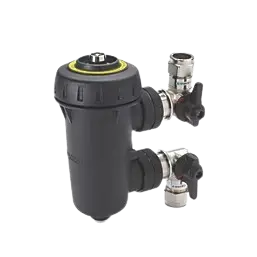 |
Magnetic System Filter | Captures iron oxide sludge before it can seize the diverter valve or block the heat exchanger | View Guide |
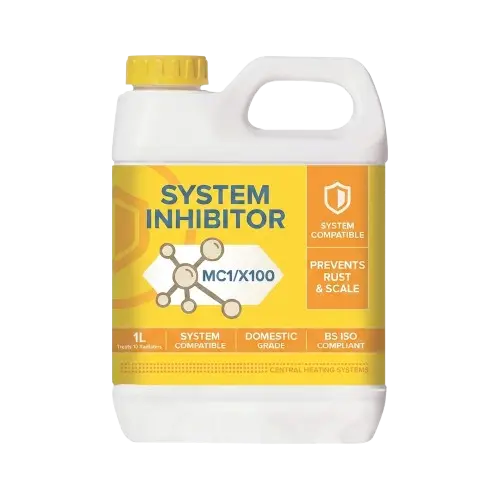 |
Central Heating Inhibitor | Reduces internal corrosion that creates the sludge responsible for diverter valve failure | Check Price |
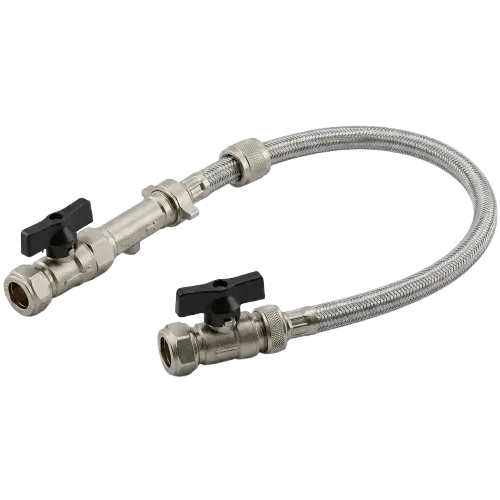 |
External Filling Loop | Used to repressurise the boiler to 1.5 bar — essential for diagnosing and fixing pressure faults | Check Price |
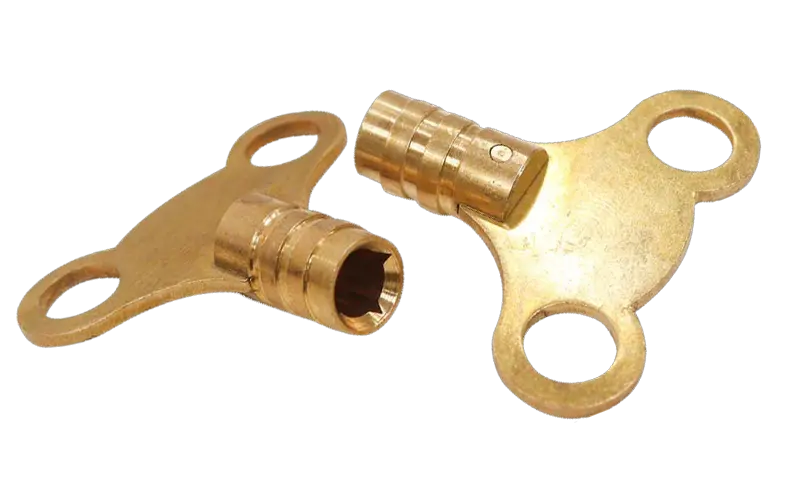 |
Brass Radiator Bleed Key | Removes airlocks that cause erratic pressure and circulation faults linked to hot water loss | Check Price |
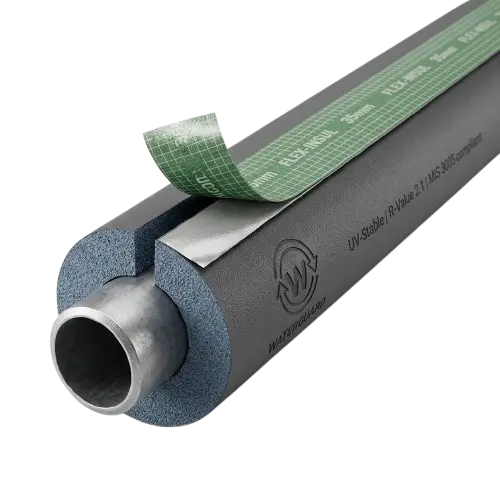 |
Condensate Pipe Insulation | Prevents the condensate pipe freezing in winter — stops the boiler shutting down and cutting hot water | Check Price |
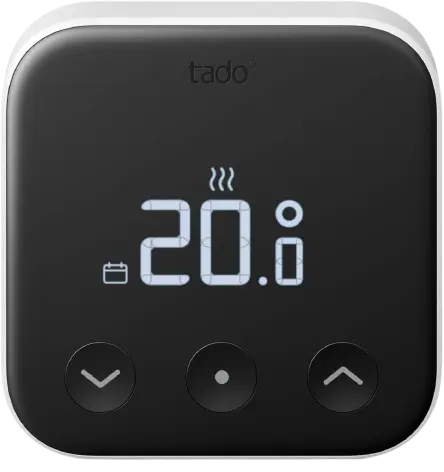 |
Digital Thermostat | Clearer hot water temperature controls reduce the risk of accidental settings appearing as a boiler fault | Check Price |
Questions & Answers
Real questions from UK homeowners — answered by our team.
Community Questions
Frequently Asked Questions — Heating On But No Hot Water UK
Why is my combi boiler heating the radiators but producing no hot water?
The most common cause is a stuck diverter valve — the component that switches water flow between the heating circuit and the taps. When it seizes in heating mode, radiators get heat but taps run cold. Other causes include low boiler pressure, incorrect thermostat or timer settings, a frozen condensate pipe in winter, a faulty flow sensor, or limescale on the secondary heat exchanger.
Can I fix a diverter valve myself?
No. The diverter valve is located inside the boiler casing. Under the Gas Safety (Installation and Use) Regulations 1998, only a Gas Safe registered engineer is legally permitted to carry out internal boiler repairs. Attempting this yourself can void your warranty and invalidate your home insurance.
Why does my hot water only work when the heating is switched on?
This is a classic sign of a diverter valve that is partially stuck in heating position. It can only redirect water to the taps when the system is already at full temperature and pressure. The valve diaphragm is failing and will not improve on its own — it needs professional replacement.
How much does it cost to replace a diverter valve in the UK?
Typically between £200 and £350 including parts and labour. Worcester Bosch parts tend to cost more than Ideal or Vaillant equivalents. If the system is contaminated with sludge, the engineer may also recommend a power flush (£300–£600 depending on system size) to stop the new valve sticking immediately.
Could a frozen condensate pipe be why I have no hot water in winter?
Yes. During cold snaps the condensate pipe that exits through your outside wall can freeze and block. The boiler shuts down as a safety measure. Pouring warm water over the frozen section usually thaws it quickly. Fitting condensate pipe insulation afterwards prevents it recurring each winter.
Could limescale cause my hot water to stop working?
Yes, particularly in hard water areas like London and the South East. Limescale coats the secondary heat exchanger that heats tap water, reducing efficiency until the temperature fluctuates or the flow feels weak at full tap pressure. An engineer can descale the heat exchanger and fit a scale reducer at the mains inlet to slow future build-up.
What is the quickest thing to check when heating works but hot water doesn't?
Start with the boiler's hot water setting and your programmer or thermostat — these take 30 seconds to check and resolve a surprisingly large number of call-outs. If those are fine, check the pressure gauge. If pressure is above 1 bar and settings are correct, the touch test in this guide will tell you within five minutes whether the diverter valve is the culprit.