Boiler Not Firing Up? Common UK Causes & DIY Solutions
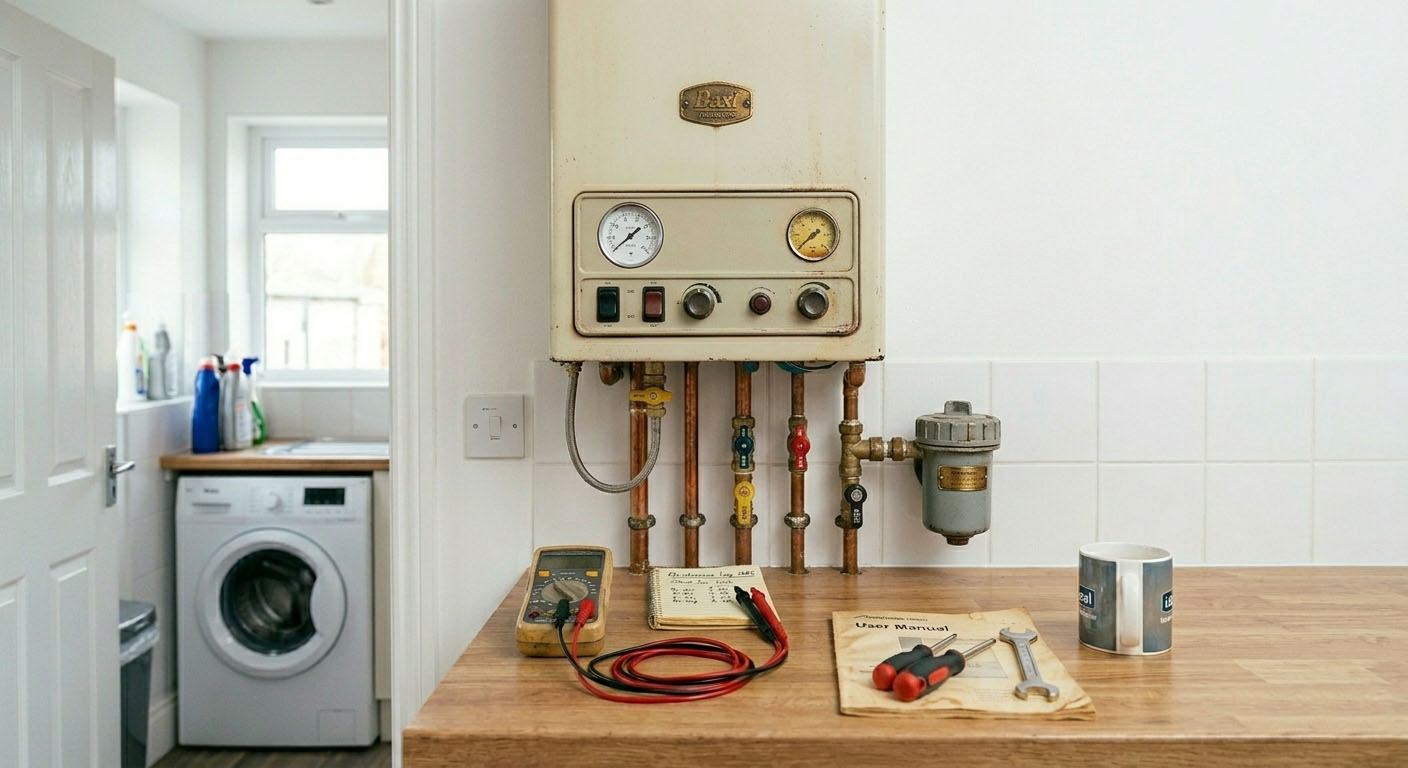
Waking up to a cold house or a lukewarm shower because your boiler is not firing up is a common headache for UK homeowners. Whether you have a Worcester Bosch, Vaillant, or Ideal boiler, the symptoms are usually similar: you turn on the heating, but the "burn" light never appears, or the unit makes a clicking sound but fails to ignite.
Modern UK boilers are sophisticated machines with various safety lockouts. Before you panic and call out an emergency engineer on a Saturday morning, there are several simple checks you can perform yourself to get the heating back on.
Quick Navigation
1. Low Water Pressure (The Most Common Culprit)
Most modern "sealed system" boilers will refuse to fire up if the water pressure is too low. This is a safety feature to prevent the heat exchanger from overheating.
- Check the Gauge: Look at the front of your boiler for a dial. It should ideally be between 1.0 and 1.5 bar. If it is below 0.5 bar, the boiler will likely have locked itself out.
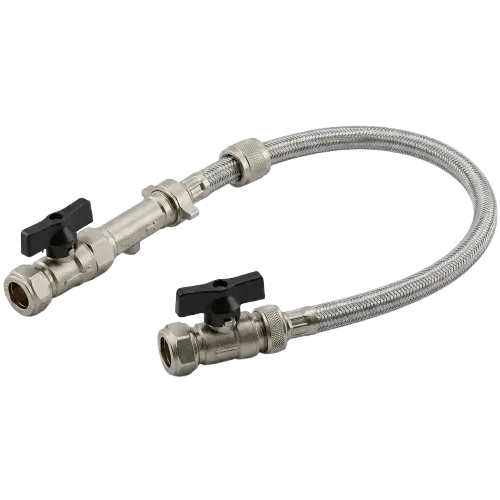
- The Fix: You can top this up using the "filling loop" (usually two silver braided hoses under the boiler). Open the valves slowly until the needle rises back to 1.2 bar.
2. Thermostat & Programmer Settings
It sounds obvious, but many "broken" boilers are simply waiting for a signal that never comes.
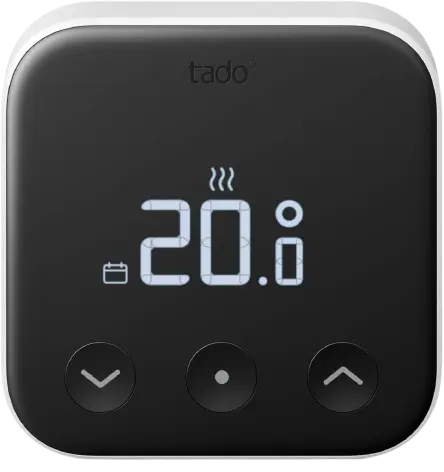
- Battery Check: If you have a wireless wall thermostat, check the batteries. A low battery icon can prevent it from sending the "demand" signal to the boiler.
- The Temperature Gap: Ensure the thermostat is set higher than the current room temperature. If the room is 19°C and the thermostat is set to 18°C, the boiler won't fire.
- Smart Controls: If using Hive or Nest, check your app for any "offline" warnings or scheduled "away" modes that might be overriding your manual settings.
3. Pilot Light & Ignition Failures
Older boilers have a permanent pilot light, while newer ones use electronic ignition. If the flame doesn't light, the boiler won't heat the water.
- Gas Supply: Check if your other gas appliances (like a hob) are working. If not, your gas meter may have been capped or there could be a local supply issue.
- Ignition Clicking: If you hear the boiler clicking repeatedly but it fails to ignite, the electrode might be dirty or the spark generator faulty.
- The Reset Button: Almost all UK boilers have a reset button or dial position. Try resetting the unit once; if it fails to fire after three attempts, stop and call an engineer.
4. Frozen Condensate Pipe
If your boiler isn't firing during a cold snap (below 0°C), the condensate pipe (a white plastic pipe that runs outside) may have frozen solid.
When the pipe is blocked by ice, the waste water backs up into the boiler, triggering a safety shutdown. To fix this, pour warm (not boiling) water over the external pipe until the ice melts, then reset the boiler.
Standard Maintenance Parts
While most internal boiler components require a Gas Safe professional, these are the typical maintenance items involved in keeping a UK heating system running efficiently.
| Product Image | Part Details | Fixes This Problem | Action |
|---|---|---|---|
|
Universal Filling LoopFlexible braided hose with isolation valves |
Low system pressure | View Part |
|
Digital Room ThermostatWireless Programmable 7-day timer |
Thermostat | View Part |
|
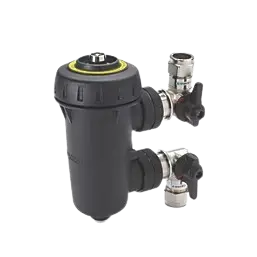
Magnetic System FilterIn-line sludge protection for heat exchangers |
Sludge build-up | View Part |
When to Call a Professional
Boiler repairs in the UK are strictly regulated. You must call a Gas Safe Registered engineer if:
- The fault code on the display refers to an internal part like the Fan, Air Pressure Switch, or PCB.
- You need to open the sealed front casing of the boiler.
- The boiler is leaking water from inside the main cabinet.
- The boiler makes a loud "kettling" or banging noise when it tries to start.
Check the Gas Safe Register to verify your engineer's credentials.
Boiler Ignition FAQs
Why does my boiler work for hot water but not central heating?
This is usually a sign of a faulty diverter valve. This valve directs the hot water to either your taps or your radiators. If it gets stuck, you'll lose one or the other. This requires a professional replacement.
How often should I bleed my radiators?
You should bleed them at least once a year, usually before the winter. Air trapped in the radiators can cause cold spots and lead to pressure drops that stop the boiler from firing. See our guide on bleeding radiators safely.
What does "Lockout" mean?
A lockout is a safety shutdown. If the boiler detects an unsafe condition (no gas, no water, or no ventilation), it shuts down and displays a fault code (e.g., F22, E119). You must fix the underlying cause before it will fire again.
Why does my boiler pressure rise when the heating is on?
It is normal for pressure to increase slightly (by about 0.3 to 0.5 bar) as water expands when heated. However, if the needle climbs above 3.0 bar or hits the red zone, your expansion vessel may be faulty or lose its "charge." This typically requires a Gas Safe engineer to repressurise or replace the vessel.
Can "sludge" stop my boiler from firing?
Yes. Over time, internal corrosion creates a black sludge called magnetite. This can block the plate heat exchanger or seize the pump, leading to a "circulation fault" lockout. Installing a magnetic system filter is the best way to prevent this build-up and protect your boiler's internal parts.