Best Room Thermostat: Programmable & Wireless Buying Guide
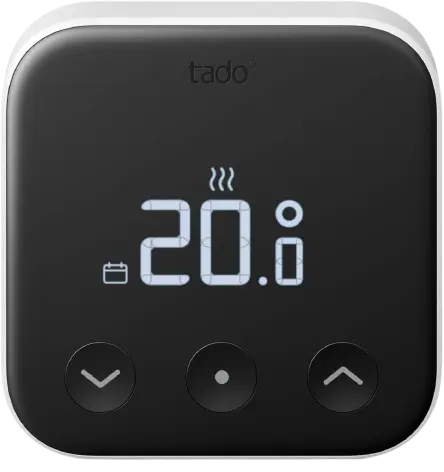
A digital room thermostat is the "brain" of your UK central heating system. Unlike old manual dials, programmable and wireless models give precise temperature control and scheduling, helping cut energy bills by ensuring the boiler only fires when it needs to. Here's how to choose the right one and fit it in the right place.
Why Upgrade to a Digital Thermostat?
Upgrading from an analogue dial to a digital programmable model can save up to 10% on annual heating costs. Key benefits include:
- 7-Day Scheduling: Set different timings for weekdays and weekends to match your lifestyle.
- LCD Backlight: Easy to read in dark hallways or at night.
- TPI Technology: Time Proportional and Integral (TPI) software makes your boiler fire more efficiently as it nears the target temperature.
Wired vs Wireless vs Smart: Which Thermostat?
Choosing the right type depends on your existing wiring, where you want to place the device, and whether you want app control:
Top Recommended Room Thermostats in the UK
A standard programmable digital thermostat usually costs between £30 and £90, while "Smart" internet-connected versions range from £120 to £200.
| Retailer | Stock Status | Best For | Link |
|---|---|---|---|
| Screwfix | In Stock | Honeywell Home T3 Wireless Programmable | View Product |
| Toolstation | Available | Drayton Digistat RT (simple wired) | Check Price |
| Amazon UK | Available | Smart heating control via app | View on Amazon |
Technical Specifications & Placement
For the most accurate readings and efficient boiler operation, follow these technical guidelines:
1. Optimal Positioning
Thermostats should be mounted approximately 1.5 metres above the floor. Avoid placing them in direct sunlight, near radiators, or in draughty hallways, as this causes "false readings" that make the boiler run too often or not enough.
2. Battery Maintenance
Most wireless UK thermostats run on 2x AA batteries. If your boiler stops firing, the first check should always be the batteries. High-quality alkaline batteries typically last 12–18 months before needing replacement.
3. Volt-Free vs 230V Switching
Check if your boiler requires a "Volt-Free" contact or a mains 230V signal. Installing the wrong type can damage the boiler's Printed Circuit Board (PCB). Modern combi boilers almost always use Volt-Free connections for digital controls. A digital multimeter lets you confirm the supply voltage before wiring.
4. RF Range and Signal
Wireless models typically have a range of 30 metres through walls. Thick stone walls in older UK cottages can block the signal; in these cases, a wired model or a signal booster may be required.
💡 Pro Tip: Optimising Your Schedule
- Setback Temperature: Instead of turning the heating "Off" at night, set it to 15°C. This prevents the house from getting too cold, which is more efficient for the boiler to reheat in the morning.
- The 1-Degree Rule: Turning your thermostat down by just 1°C can save roughly £100 a year on energy bills in a typical UK semi-detached home.
- Holiday Mode: Use the "Frost Protection" or "Holiday" setting when away to keep the pipes from freezing without wasting gas.
Frequently Asked Questions
Where should a room thermostat be placed?
Mount a room thermostat about 1.5 metres above the floor on an internal wall, away from direct sunlight, radiators, draughts and doorways. These all cause false readings that make the boiler cycle too often or not enough.
What is the difference between a wired and wireless room thermostat?
A wired thermostat uses existing 2-wire or 3-wire connections and never loses signal, but it is fixed in one place. A wireless RF thermostat talks to a receiver at the boiler over radio frequency, so it can be moved between rooms, though thick stone walls can weaken the signal.
Do I need a programmable or a smart thermostat?
A programmable thermostat with 7-day scheduling suits most homes and costs around £30 to £90. A smart thermostat adds app and voice control and learning features for roughly £120 to £200, which is worth it if you want remote control or have an irregular routine.
What does "volt-free" mean on a thermostat?
A volt-free contact simply opens and closes a switch without sending mains voltage to the boiler, whereas a 230V switched output sends power. Fitting the wrong type can damage the boiler's circuit board, so check the boiler manual. Most modern combi boilers use volt-free connections for digital controls.
How much can a programmable thermostat save on heating bills?
Upgrading from a manual dial to a digital programmable thermostat can save up to around 10% on annual heating costs, and turning the target temperature down by 1°C saves roughly £100 a year in a typical UK semi-detached home.
Why has my thermostat stopped firing the boiler?
On a wireless thermostat the first thing to check is the batteries, which usually last 12–18 months. If the batteries are good and the thermostat is calling for heat but the boiler doesn't respond, see our thermostat not working guide — the fault may be in the wiring, the receiver or the boiler itself.