Magnetic System Filters – Stopping Sludge in its Tracks
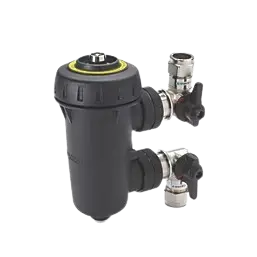
A magnetic system filter is an essential in-line component designed to capture "magnetite" the black iron-oxide sludge that forms inside UK heating systems. By trapping these metallic particles before they reach your boiler, the filter prevents blockages, reduces energy bills by up to 7%, and extends the lifespan of your boiler by years.
The Science of Sludge (Magnetite)
In the UK, most heating systems use steel radiators and copper pipes. Over time, the water causes the internal iron components to corrode, creating a black, muddy substance. This sludge is magnetic, meaning a powerful neodymium magnet can pull it out of the water flow permanently.
- Protects Pumps: Sludge is the #1 killer of boiler circulating pumps.
- Boosts Efficiency: Keeps radiators clear of cold spots for up to 47% better heat output.
- Warranty Requirement: Most UK manufacturers now require a filter to validate your 7 or 10-year warranty.
Comparing the Best UK Brands
A high-quality magnetic filter typically costs between £70 and £150. Here are the market leaders found in most British homes:
| Brand & Model | Key Feature | Warranty | Link |
|---|---|---|---|
| ADEY MagnaClean Pro2 | 360-degree rotational valves | 10 Years | View at Screwfix |
| Fernox TF1 Omega | Nickel-plated brass body | 25 Years (Limited) | View at Toolstation |
| Sentinel Vortex 300 | Compact for tight spaces | 10 Years | View at Wolseley |
Installation & Maintenance Guide
While installation requires a professional, homeowners should understand the maintenance cycle to keep the system protected:
1. Placement on the Return Pipe
The filter is always installed on the return pipework (the pipe bringing water back from the radiators to the boiler). This ensures all debris is caught before it can enter the boiler's delicate heat exchanger.
2. Annual Servicing (The Flush)
A magnetic filter must be cleaned at least once per year, ideally during your annual boiler service. The engineer will isolate the valves, unscrew the lid, and wipe the collected "black gold" (magnetite) off the central magnet.
3. Chemical Inhibitor Support
A filter alone isn't enough. It should be used in conjunction with a Chemical Inhibitor (like Fernox F1 or Sentinel X100). The inhibitor breaks down scale and prevents the corrosion process from starting, while the filter catches any existing particles.
4. BS 7593:2019 Compliance
This British Standard code of practice states that an in-line filter should be permanently installed on all domestic heating systems to provide continued protection. If you are getting a new boiler, your installer must fit one to be compliant with building regulations.
💡 Troubleshooting: Signs You Need a Filter
- Cold Radiator Bottoms: If the top of your radiator is hot but the bottom is cold, sludge is likely blocking the internal channels.
- Noisy Boiler (Kettling): Sludge build-up in the heat exchanger causes localized boiling, leading to "banging" or whistling sounds.
- Cloudy or Black Water: If you bleed a radiator and the water looks like black ink, your system is corroding internally.
- Frequent Pump Failures: Magnetic particles are attracted to the magnetic field of the pump motor, causing it to seize.