Solid Brass Radiator Bleed Keys – The Essential Tool
A radiator bleed key is a small but vital tool for any UK home. It allows you to release trapped air from your central heating system, ensuring your radiators heat up fully to the top and your boiler operates efficiently.
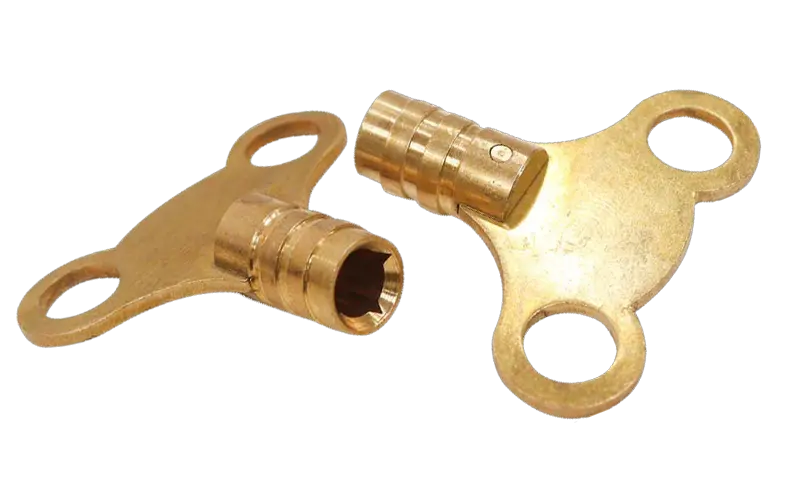
Why Choose Solid Brass?
While cheap alloy or plastic-coated keys are common, professional plumbers in the UK always recommend solid brass. Here is why:
- Anti-Snap Durability: Cheap zinc-alloy keys often snap inside the valve. Brass is a softer, tougher metal that resists shearing.
- Corrosion Resistance: Brass does not rust, which is vital when dealing with water and damp heating environments.
- Universal UK Fitment: Designed to fit the standard 5mm square bleed screw found on 99% of UK radiators (Stelrad, Kudox, Myson, etc.).
Identifying the Right Fit
Most modern UK radiators use a standard square-head bleed screw. However, there are two main types of keys available:
Where to Buy Quality Brass Bleed Keys
A high-quality brass key typically costs between £1.50 and £4.00. It is worth paying the extra few pence to avoid a snapped key in your radiator valve.
| Retailer | Stock Status | Key Feature | Link |
|---|---|---|---|
| Screwfix | In Stock | Brass Radiator Bleed Valve | View Tool |
| Toolstation | Available | Radiator Bleed Key Set | Check Price |
| Amazon UK | Available | Bleed Key 2 Pack | View on Amazon |
How to Use a Radiator Bleed Key Correctly
Using a bleed key incorrectly can result in a stripped valve head or expensive water damage. Follow this professional three-step process to ensure a safe, clean job.
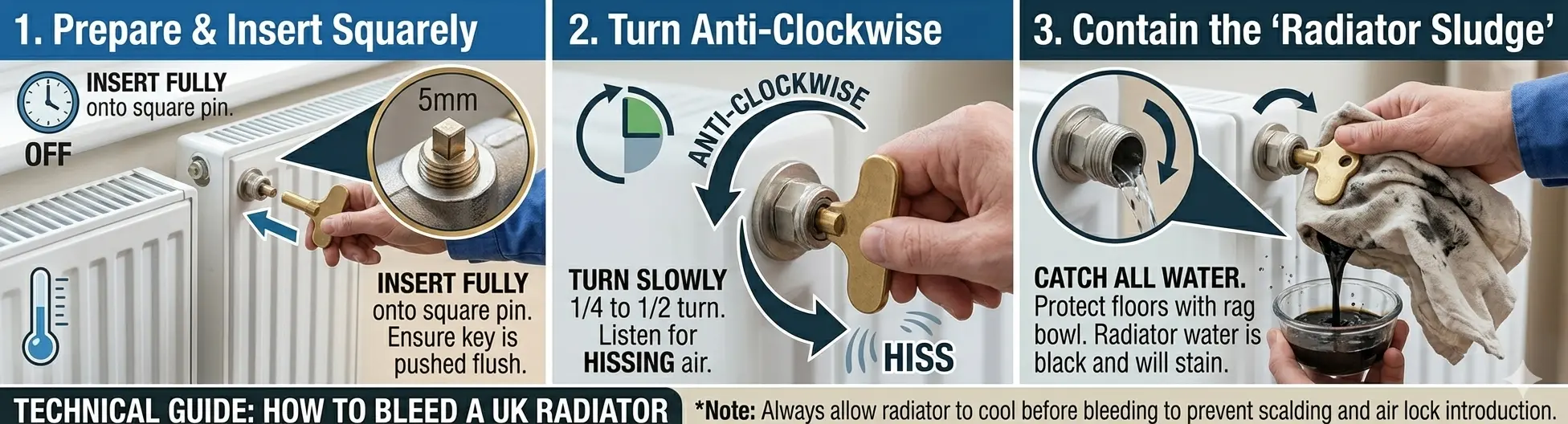
Fig 2: Correct alignment and rotation for standard UK radiator bleed valves.
1. Prepare & Insert Squarely
Crucial: Turn your central heating OFF and allow the radiators to cool. Bleeding a hot radiator can introduce more air or scald you.
Locate the bleed valve (usually at the top corner). Ensure the brass key is pushed fully onto the square bleed screw. If the key is only partially engaged, the torque will "round off" the soft metal edges, making the valve impossible to turn.
2. Controlled Pressure Release
Hold the key firmly and turn anti-clockwise slowly. You only need a quarter to a half turn; never unscrew the pin entirely as it can be difficult to re-insert under pressure.
Listen for the "hissing" sound of air escaping. Once the hissing stops and a steady stream of water appears, close the valve immediately by turning clockwise. Do not over-tighten; "finger-tight" plus a tiny nudge is sufficient.
3. Contain the 'Radiator Sludge'
Radiator water in UK systems is often filled with black iron oxide (sludge). This will permanently ruin carpets or light-coloured floorboards. Always keep a thick rag wrapped around the valve and a small container directly underneath to catch every drop. If your water runs very dark, it is worth fitting a magnetic system filter and dosing the system with central heating inhibitor to slow further sludge build-up.
💡 Pro Tip: What if the key doesn't fit?
In some older UK properties or on modern designer radiators, you may find a slotted screw instead of a square pin. If you see a straight line, do not attempt to use a bleed key; use a standard flat-head screwdriver.
Rounded Valve? If a previous tenant has stripped the valve, a standard key will just spin. You will need a radiator valve extractor tool or, in some cases, the entire bleed plug will need replacing by a professional. If the issue is a faulty thermostatic valve rather than the bleed screw, see our replacement TRV head guide.