Central Heating Inhibitor: How to Add It & the Best Brand (UK Guide)
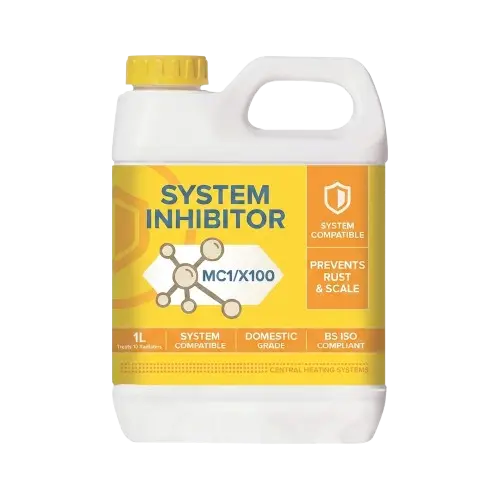
Central heating inhibitor (such as Sentinel X100, ADEY MC1 or Fernox F1) is a vital chemical treatment used in UK homes to stop internal corrosion. By preventing the reaction between water and metal, it keeps your radiators hot, protects your boiler's internal valves from grit, and helps maintain your warranty.
Why Central Heating Inhibitor is Essential
UK systems use mild steel radiators which naturally rust when in contact with water. Inhibitor (like ADEY MC1 or Sentinel X100) acts as a protective shield:
- Stops Corrosion: Prevents the formation of "black sludge" (magnetite) that causes cold spots.
- Protects Components: Keeps the diverter valve and secondary heat exchanger from seizing.
- Energy Efficiency: Keeps the system running as intended, reducing UK gas consumption and bills.
- Warranty Compliance: Mandatory under BS 7593:2019 to maintain most boiler warranties.
Best Central Heating Inhibitor: X100 vs MC1 vs F1
While different brands exist, they all perform the same core function. Choosing often depends on your specific filter brand.
Where to Buy Central Heating Inhibitor in the UK
A standard 500ml bottle (suitable for a 10-radiator home) usually costs between £15 and £25. If you have a larger property or are doing a full system refill, we recommend buying two bottles.
| Retailer | Product | Stock Status | Link |
|---|---|---|---|
| Screwfix |
Sentinel X100 (1Ltr) ⭐ MORETIPS CHOICE: Most Trusted in UK |
In Stock | View Product |
| Toolstation |
ADEY MC1 Protector Central Heating Inhibitor Rapide 300ml |
Available | Check Price |
| City Plumbing |
Fernox F1 Protector Express Protector 400ml |
In Stock | View Range |
Which brand should you choose?
While all three brands meet BuildCert standards, here is our expert take for UK homeowners:
- Sentinel X100: Best all-rounder. It is the most common brand used by British Gas engineers and independent plumbers.
- ADEY MC1: Use this if you have an ADEY MagnaClean filter; they are designed to work as a "chemical team." Pair it with a magnetic system filter for best results.
- Fernox F1: A premium choice often recommended by boiler manufacturers like Worcester Bosch.
How to Add Central Heating Inhibitor to Your System
Adding inhibitor isn't difficult, but the method depends entirely on what equipment you have installed. Crucially: Always ensure your heating is switched off at the spurred socket and the radiators are stone cold before you begin.
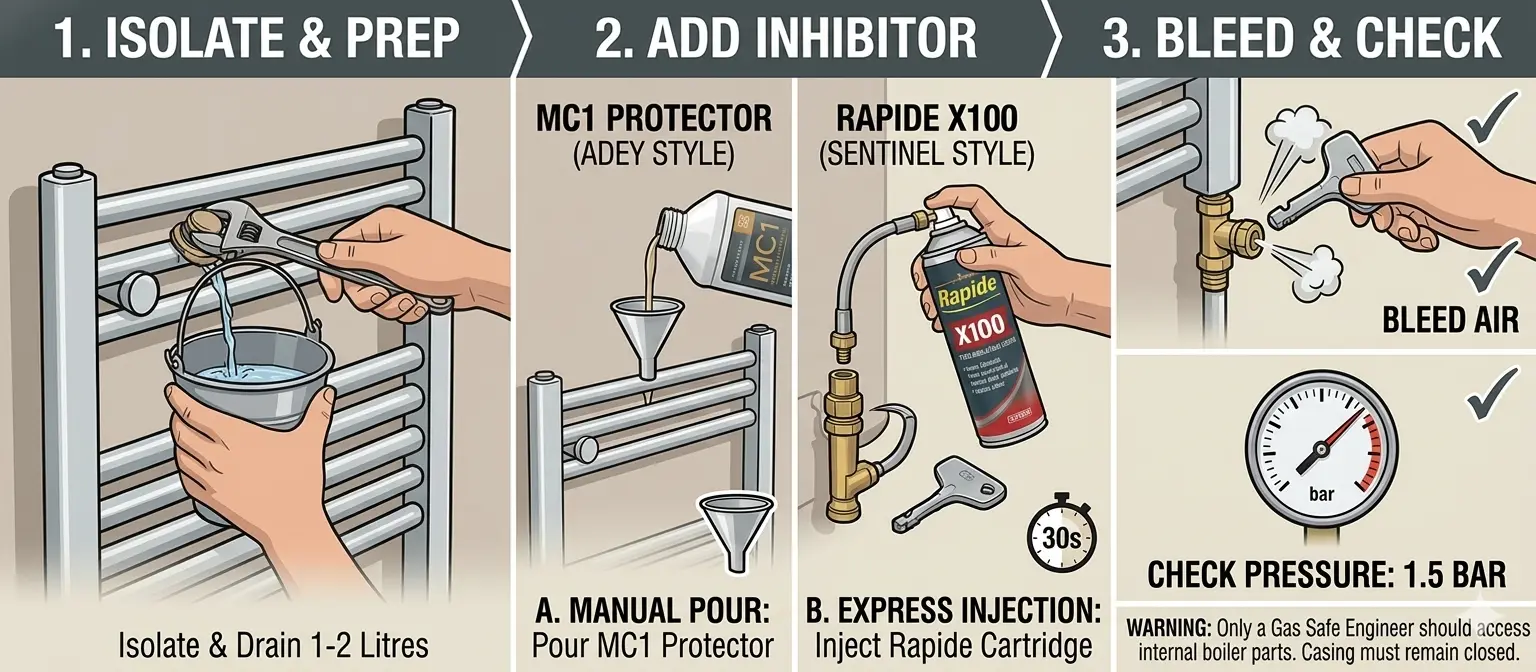
Fig 1: Follow these methods to safely add protector to your system, prevent corrosion, and maintain your boiler warranty.
The "No-Mess" Professional Method
If your system has a filter like a MagnaClean or Fernox TF1, this is the best entry point. Because the filter is a dedicated chamber, you don't have to drain the whole system.
- Close the two isolating valves on the filter (turn them 90°).
- Open the air vent on top to release pressure, then use the drain valve at the bottom to empty the small chamber into a bucket.
- Unscrew the lid, pour your 500ml of MC1 or X100 directly in, and screw the lid back on.
- Open the valves and bleed the air from the top of the filter.
Don't have a filter yet? A magnetic system filter is the single best upgrade for keeping sludge out long-term.
The Fast "Express" Method
If you don't want to take anything apart, use an Inhibitor Express/Rapide aerosol canister. These come with a flexible hose and threaded adapter.
- Attach the adapter to a radiator bleed valve or a 1/2" filling loop point.
- Open the valve and "inject" the canister for about 30 seconds.
- The high-pressure gas forces the chemical into the water stream instantly without needing to drain a single drop.
For Traditional "Open-Vented" Systems
If you have a small "Feed and Expansion" tank in your loft (the smaller of the two water tanks), you can pour the inhibitor directly into it.
Top Tip: Don't just pour it in and leave it. You must drain 5–10 litres of water from a downstairs radiator drain-off point. This "pulls" the chemical from the loft tank down into the main heating circuit where it's needed.
The Manual DIY Method
If you have a standard towel rail or radiator, you can use the top plug. This requires a bit of patience and a steady hand.
- Close both the TRV (thermostatic valve) and the Lockshield valve at the bottom of the radiator to isolate it.
- Slowly unscrew the top blanking plug or bleed valve with a spanner (keep a towel ready!). A brass radiator key helps for the bleed valve.
- As water is removed, the level drops. Use a small funnel to pour the liquid inhibitor into the radiator.
- Replace the plug, open both bottom valves, and bleed the air out.
If the radiator's thermostatic valve is stuck or weeping, you may need a replacement TRV head before isolating it.
💡 Maintenance Pro Tips
- Annual Check: Use an "Inhibitor Test Kit" every year during your boiler service to ensure the concentration hasn't been diluted by top-ups.
- Full Flush: If your system is already full of black sludge, adding inhibitor won't fix it. You'll likely see cold downstairs radiators — the system needs flushing first.
- Top up after bleeding. Draining or bleeding radiators lowers both inhibitor levels and boiler pressure. Re-dose and re-pressurise with a filling loop afterwards. See radiator cold at the top after bleeding.
- Don't Mix: Try to stick to one brand of inhibitor if you are topping up, though most modern UK brands are chemically compatible.
Frequently Asked Questions
What is the best central heating inhibitor?
Sentinel X100 is the most widely used all-round inhibitor in the UK and is trusted by British Gas and independent plumbers. ADEY MC1 pairs best with a MagnaClean filter, while Fernox F1 is a premium option often recommended by boiler manufacturers such as Worcester Bosch. All three meet BuildCert standards and do the same core job.
How much central heating inhibitor do I need?
A standard 500ml to 1 litre bottle treats a typical home with up to around 10 radiators. Larger properties or a full system refill may need two bottles. Always follow the dosage on the bottle for your system volume.
How do I add inhibitor to my central heating?
The easiest method is through a magnetic filter such as a MagnaClean. You can also inject an express canister via a radiator bleed valve or filling loop, pour it into the loft header tank on an open-vented system, or add it through the top of an isolated radiator. Always make sure the system is switched off and cold first.
Is central heating inhibitor required for my boiler warranty?
Yes. Under BS 7593:2019, dosing the system with inhibitor is required to keep most UK boiler warranties valid. Manufacturers expect the system to be cleaned and protected to prevent corrosion and sludge.
Will inhibitor remove existing sludge?
No. Inhibitor prevents future corrosion but cannot remove sludge that has already formed. If radiators have cold spots from existing magnetite sludge, the system needs flushing first, then re-dosing with fresh inhibitor.
How often should central heating inhibitor be topped up?
Check the concentration once a year, ideally during the annual boiler service, using an inhibitor test kit. Levels drop over time through small leaks, top-ups and draining radiators, so re-dose whenever a test shows it is low.