LED Head Torch for DIY & Electrical Work: UK Buyer's Guide
Whether you're fixing a leak under a dark sink, resetting a tripped fuse box, or working in the loft, a reliable LED head torch is the most useful hands-free tool a UK homeowner can own. This guide cuts through the marketing and shows you exactly what to look for — lumens, CRI, battery type, beam and water resistance — so you buy the right torch for home repairs the first time.
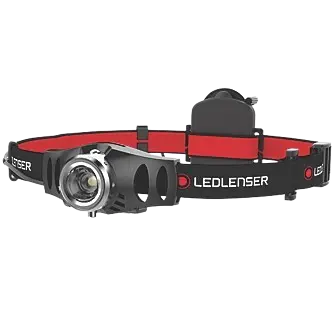
Why Every DIYer Needs One
Handheld torches are useless when you need both hands for tools. A good LED head torch gives you:
- Hands-free convenience: Perfect for plumbing and electrical work.
- A beam that follows your eyes: Light always points where you look.
- Variable brightness: Dial lumens down to avoid glare on close-up tasks.
- Emergency backup: Essential during a power cut, hands-free at the fuse box.
How Many Lumens Do You Need?
Brightness is measured in lumens, and more is not always better — too much light causes blinding glare on close-up work. Match the output to the job:
| Task | Recommended Lumens | Why |
|---|---|---|
| Close-up work (plumbing, wiring, changing a washer) | 100 – 200 | Clear detail without glare off pipes or chrome |
| General DIY (garage, under bonnet, cupboards) | 200 – 400 | Balanced spread for a whole work area |
| Lofts, outdoors, guttering | 400+ | Pierces darkness over longer distances |
Key Features to Look For
Not all head torches are equal. For home maintenance, prioritise these five specs:
CRI matters most for electricians. A high colour rendering index (80 or above) lets you tell wire colours apart accurately under artificial light — a genuine safety point when you're working alongside a socket tester and VDE screwdrivers.
Where to Buy LED Head Torches in the UK
Reliable head torches cost between £15 and £60. We recommend trade-standard brands like Ledlenser, Petzl, or Unilite for longevity and brightness.
| Retailer | Availability | Why Buy Here? | Link |
|---|---|---|---|
| Screwfix | In Stock | Ledlenser LED head torch | View Range |
| Toolstation | Available | Milwaukee headlamp | Check Stock |
| Amazon | In Stock | Wide selection of LEDs | View Prices |
How to Choose the Right Model
Follow these steps to pick a torch that won't let you down mid-repair.
Indoor vs. Outdoor Use
For close-up tasks such as inspecting plumbing under a sink or changing a washer, 100–200 lumens gives plenty of clarity without blinding reflections off white pipes or chrome fittings.
Heading into a dark loft, checking outdoor guttering, or inspecting garden wiring at night? Look for a model capable of 400+ lumens to cut through the dark.
Lithium-Ion vs. AAA
USB rechargeable (Lithium-Ion) torches are cheaper to run over time. But "hybrid" models that also take standard AAA batteries give you a vital backup — you can't recharge during a power cut, but you can swap in fresh cells.
Critical for Electrical Work
For wiring, a high CRI (80+) and a neutral beam let you read wire colours correctly. Pair the torch with a voltage detector pen before touching any circuit.
Flood, Spot and Fit
For DIY, a "flood" beam is best — it spreads light evenly across your workspace rather than a single bright dot. Choose an adjustable, breathable strap; a rear battery pack helps balance the weight for long jobs.
💡 Pro Tips for Head Torch Maintenance
- Store it empty: If using alkaline batteries, remove them if not using the torch for months to prevent leakage.
- Clean the lens: Dust from lofts or plastering dulls the beam; wipe with a damp microfibre cloth.
- Charge monthly: Lithium batteries last longer if they aren't left completely flat for long periods.
Frequently Asked Questions
How many lumens do I need for a DIY head torch?
For close-up tasks like plumbing or electrical work, 100–200 lumens is plenty and avoids glare. For lofts, outdoor jobs or larger spaces, look for 400+ lumens. Many torches switch between low and high modes to cover both.
What is the best head torch for electrical work?
One with a high CRI (80+) so you can distinguish wire colours accurately under artificial light. A neutral beam, a flood pattern for close work, and a comfortable fit matter more than raw brightness.
Are rechargeable or battery head torches better for DIY?
USB rechargeable Lithium-Ion torches are cheaper to run and more convenient. A hybrid model that also takes AAA batteries is best if you want an emergency backup for power cuts.
What IP rating should a head torch have?
IPX4 (splash resistant) is the minimum worth having for home use. For outdoor, loft or wet work, IP65 gives better protection against dust and water.
Should I keep a head torch for power cuts?
Yes. Keep one near your consumer unit so you can safely inspect a tripped fuse box with both hands free. A hybrid torch that takes AAA batteries is ideal, as you won't depend on it holding charge.