TRV Not Working? How to Test & Replace a TRV Head
If a radiator has gone cold or the dial is cracked, yellowed or spinning loosely, the thermostatic radiator valve (TRV) head is often to blame. The good news: there's a 30-second test to confirm whether it's the head (a cheap DIY swap) or the valve body (a plumber's job), and replacing a head is a 5-minute job with no draining and no plumbing skills. Here's how.
🔍 The 30-Second Test: Head or Valve Body?
Before buying anything, find out which part has failed:
- Remove the TRV head (see the steps below — no draining needed).
- With the heating on, press the small metal pin on top of the valve body with a screwdriver.
- If the radiator warms up with the head off and the pin moving freely → the head is faulty. A replacement head fixes it.
- If it stays cold even with the pin fully pressed → the fault is the valve body or elsewhere in the system.
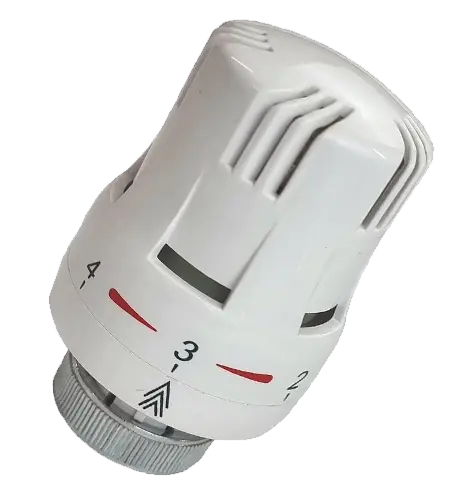
Universal UK Fitment: M30 x 1.5
Most modern UK radiators use an M30 x 1.5mm threaded connection — the industry standard for brands like Honeywell and Myson.
- Easy swap: Replace only the plastic head, leaving the wet plumbing intact.
- More efficient: New liquid-filled sensors react faster to room temperature changes.
⚠️ Important Compatibility Notice
M30 x 1.5 is the "standard," but not all heads are the same. Your replacement depends on the brand of valve body already on your pipes:
- Drayton valves: Often use a "click-fit" that won't accept universal screw-thread heads.
- Old valves: Systems over 20 years old may use imperial threads or discontinued snap-on designs.
- Brand lock-in: Some premium brands (like Danfoss) require their own proprietary heads.
How to Identify Your Fitting
Before ordering, inspect the base of your current valve where the head meets the metal pipe:
Step-by-Step: How to Replace a TRV Head
A 5-minute job needing no plumbing experience and no need to turn the heating off.
Check the Old Dial
Look on the old plastic dial for names like Drayton, Danfoss, Honeywell or Pegler. If it's a branded click-fit rather than an M30 screw thread, buy the matching brand.
Turn the Dial to '5'
Turn the old head to its highest number (or 'MAX'). This retracts the internal plunger, relieving pressure on the valve so the head unscrews easily by hand.
Undo the Knurled Ring
Turn the knurled metal ring at the base anti-clockwise. If it's too tight for your fingers, use adjustable grips gently — too much force can crush the ring.
Exercise the Valve Pin
You'll see a small metal pin on the brass valve. Press it with a flat screwdriver — it should spring back smoothly. If it's stuck, tap the side of the valve body gently, work the pin up and down, and apply a little silicone grease (not WD-40 long-term). This is the single most common cause of a cold radiator.
Hand-Tighten Only
Set the new head to '5', align it squarely over the valve, and thread the ring on clockwise by hand only. Using tools can snap the plastic internal components.
Where to Buy Replacement TRV Heads in the UK
Universal M30 x 1.5 heads typically cost £6–£15. Match the brand if yours is a click-fit type.
| Retailer | Stock Status | Type | Link |
|---|---|---|---|
| Screwfix | In Stock | Drayton & universal | View Range |
| Toolstation | Available | Thermostatic heads | Check Price |
| Amazon | Available | Universal M30 x 1.5 | Check Price |
💡 Pro Tips
- Exercise TRVs monthly: Pins seize after a summer of inactivity. Turn each TRV fully open and closed once a month, even in summer, to prevent sticking.
- Poor water quality speeds wear: Sludge accelerates pin sticking — a central heating inhibitor helps protect the whole system.
- Cold at the top? That's usually trapped air, not the TRV. Try bleeding it with a radiator key first.
Frequently Asked Questions
How do I know if the TRV head or the valve body is faulty?
Remove the head and press the pin. If the radiator heats up with the head off and the pin moving freely, the head is faulty — a replacement fixes it. If it stays cold with the pin pressed, the valve body is the problem.
Are all replacement TRV heads universal?
Most modern UK valves use M30 x 1.5mm, the universal standard. But some Drayton valves are click-fit, old valves may be imperial, and Danfoss often needs its own head. Check the base of your valve first.
How do I fix a stuck TRV pin?
With the head off, press the pin. If stuck, tap the valve body gently, work the pin up and down, and apply silicone grease. Pins usually stick after a summer unused, so exercise your TRVs monthly.
Do I need to drain the system to replace a TRV head?
No. Swapping the plastic head is a dry job — no draining, no need to turn the heating off. Only replacing the metal valve body requires draining, which is a plumber's job.
Why is my radiator cold at the bottom but the TRV works?
Cold at the bottom usually means sludge, not a TRV fault. Cold at the top means trapped air that bleeding clears. A faulty head tends to leave the whole radiator cold or stuck fully on.
Should I hand-tighten a TRV head?
Yes — hand-tighten the ring only. Tools can snap the plastic internals. It should sit flush and feel secure without force.