How to Replace a Toilet Flush Valve Seal (UK Guide)
Is your toilet making a constant trickling sound? The most likely cause is a perished flush valve seal — the rubber washer that holds water in the cistern until you flush. Replacing it takes around 20 to 30 minutes and costs under £10 for most UK toilets.
Quick answer: A toilet that keeps running is usually caused by a worn flush valve seal. Turn off the isolation valve, twist the flush tower 90° anti-clockwise to remove it, peel off the old seal, press on a new brand-matched seal, and refit. The whole job takes under 30 minutes and seals cost £2–£8 from Screwfix or Toolstation.
Contents — jump to section
What is a flush valve seal?
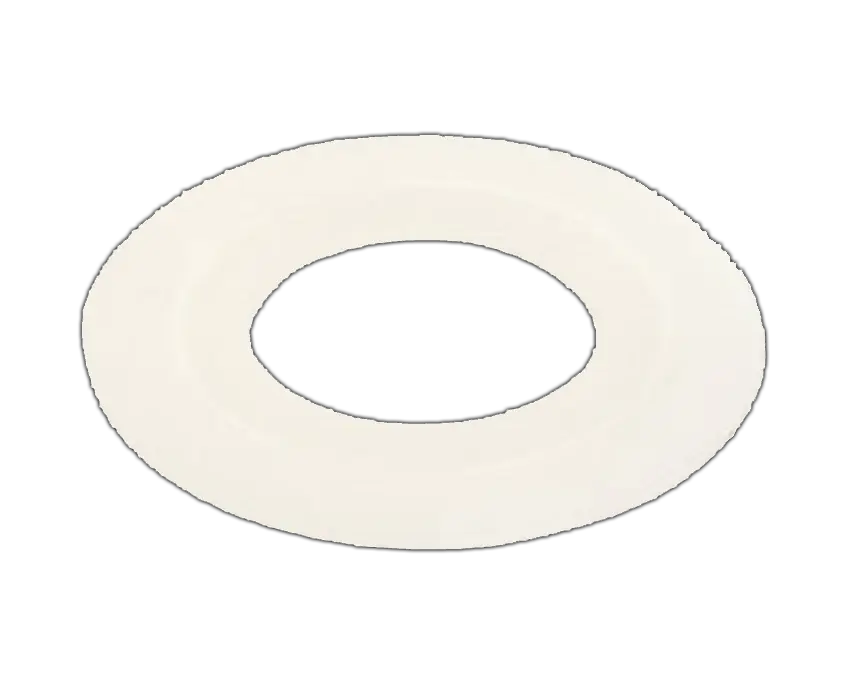
The flush valve seal is a small rubber washer that sits at the base of the flush tower inside your cistern. Its job is to hold the water in the cistern between flushes. When the seal perishes — due to age, limescale, or chlorine in the water — it no longer seats properly and water slowly drains into the bowl.
A failing seal can waste up to 400 litres of water a day, which adds considerably to a metered water bill. It is one of the cheapest and most straightforward plumbing fixes a homeowner can do themselves.
Signs your flush valve seal has failed
These are the tell-tale signs to look out for:
Not sure if it is the seal or the inlet valve? Drop a few drops of food colouring into the cistern and wait 15 minutes without flushing. If colour appears in the bowl, the flush valve seal is leaking. If water is overflowing down the exterior overflow pipe, the inlet fill valve is at fault instead.
Compatibility: finding the right seal
This is the most important step. Flush valve seals are not universal — a seal for a Siamp valve will not fit a Geberit or Fluidmaster unit. Fitting the wrong seal is the number one reason for a continued leak after a DIY repair.
⚠️ Check your brand before ordering. Look for a logo stamped on the flush button or printed on the valve body inside the cistern. Common UK brands include Siamp, Geberit, Fluidmaster, Viva, and Ideal Standard. Compare the diameter and profile of your old seal against the product listing before buying.
| Brand | Typical seal diameter | Notes |
|---|---|---|
| Siamp | 60 mm | Very common in UK new-builds. Twist-and-lift tower. |
| Fluidmaster | 52–60 mm | Silicone seals available for longer life in hard water areas. |
| Geberit | 45–55 mm | Common in concealed cistern systems. |
| Ideal Standard / Armitage Shanks | Varies by model | Always check the model number on the cistern label. |
Where to buy flush valve seals in the UK
Replacement seals cost between £2 and £8 at most UK trade and DIY merchants. For older or concealed valves, an independent plumbers' merchant will often have a wider range than the national chains.
| Retailer | Stock | Good for | Link |
|---|---|---|---|
| Screwfix | In stock | Siamp and Fluidmaster seals; click & collect same day | View range |
| Toolstation | Available | Viva and Geberit parts; competitive pricing | Check stock |
How to replace a toilet flush valve seal — step by step
Most modern UK toilets allow you to remove the flush tower with a simple twist-and-lift, so you do not need to remove the cistern from the wall. Budget 20–30 minutes and have a cloth handy.
What you need: brand-matched replacement seal, cloth or towel, sponge to mop residual water.
Turn off the water
Find the isolation valve on the pipe leading into the bottom or side of the cistern. Turn the slot a quarter-turn clockwise so it sits across the pipe. Flush the toilet to empty the cistern, then use a sponge to mop up any remaining water.
Lift out the flush tower
Remove the cistern lid and set it on a soft surface. Grip the central flush tower and rotate it 90 degrees anti-clockwise — most UK models will click as they release. Lift the tower straight up and out of the base.
Swap the seal
The old seal sits in a groove at the bottom of the flush tower. Peel or roll it off. Wipe the plastic valve seat clean — remove any limescale, grit, or rubber residue. Press or stretch the new seal firmly into the groove, ensuring it sits evenly all the way round.
Lock in and check
Lower the tower back into the base and rotate clockwise until it clicks locked. Replace the cistern lid. Open the isolation valve slowly and let the cistern fill completely, then check the bowl for any trickling. Flush twice to confirm the seal is holding.
💡 Pro tips for a leak-free result
- Clean the valve seat properly. Even a single grain of grit between the seal and the seat will cause an immediate leak. Wipe it with a damp cloth before fitting the new seal.
- Identify your brand first. Look for a logo on the flush button or moulded into the plastic inside the cistern. Fitting the wrong seal is the main reason this repair fails first time.
- Check it is actually the seal. If water is coming over the top of the internal overflow tube inside the cistern, the problem is the inlet fill valve, not the flush valve seal.
- Consider a silicone seal. In hard water areas, silicone seals last significantly longer than rubber. Worth the small extra cost if you are replacing the same seal repeatedly.
- Wrap threads with PTFE tape if you are removing any threaded fittings during the repair — a couple of wraps prevents slow weeps. See our PTFE tape guide for how to apply it properly.
Frequently asked questions
Why does my toilet keep running after flushing?
The most common cause is a worn flush valve seal. This rubber washer sits at the bottom of the flush tower and forms a watertight barrier between the cistern and the bowl. When it degrades, water slowly passes through even when the toilet is idle, causing the cistern to refill constantly. See our full toilet keeps running guide for all possible causes.
Are flush valve seals universal?
No. The seal must match the specific brand and model of your flush valve — Siamp, Geberit, Fluidmaster, and Ideal Standard all use different sizes and profiles. Always check the brand name on your flush button or inside the cistern before buying.
How much does a replacement flush valve seal cost in the UK?
Replacement seals typically cost between £2 and £8 at trade merchants such as Screwfix and Toolstation. If the entire flush valve assembly needs replacing rather than just the seal, expect to pay £10 to £30 depending on the brand.
How do I know if it is the flush valve seal or the inlet valve that is leaking?
A failing flush valve seal causes water to trickle from the cistern into the bowl — you will hear a quiet trickling and may see ripples on the bowl water surface. A faulty inlet fill valve causes water to rise above the overflow level and run down the exterior overflow pipe. To confirm: add a few drops of food colouring to the cistern and wait 15 minutes without flushing. Colour in the bowl means the flush valve seal has gone.
Can I replace a flush valve seal without turning off the mains?
Yes — you only need to close the isolation valve on the toilet supply pipe. Locate the slotted screw on the pipe below or behind the cistern and turn it clockwise. This stops water entering the cistern while you work without cutting off the rest of the house.
How long does it take to replace a toilet flush valve seal?
On most modern UK dual-flush toilets, the job takes 20 to 30 minutes once you have the correct part. The flush tower on Siamp and Fluidmaster valves twists out without tools, making it a straightforward DIY repair.
How much water does a running toilet waste?
A running toilet can waste up to 400 litres of water per day. On a metered supply that adds up quickly. Replacing a failed flush valve seal is one of the fastest and cheapest ways to cut household water waste — the part costs less than £8 and the repair takes under 30 minutes.
What if the toilet still runs after I replace the seal?
Check three things: first, that the new seal is seated properly with no grit underneath it; second, that the fault is not with the inlet fill valve instead; third, whether the whole flush valve assembly needs replacing rather than just the seal. If you are unsure, a WaterSafe-approved plumber can diagnose the fault quickly.