Conical Washers: Fix a Leaking Under-Sink Waste Pipe
If water is pooling in the cupboard under your sink, a worn conical washer in a waste-pipe compression joint is the most likely cause. These small rubber or plastic seals are the primary seal for most UK kitchen and bathroom waste pipes — and replacing one is a 5-minute job that needs no tools.
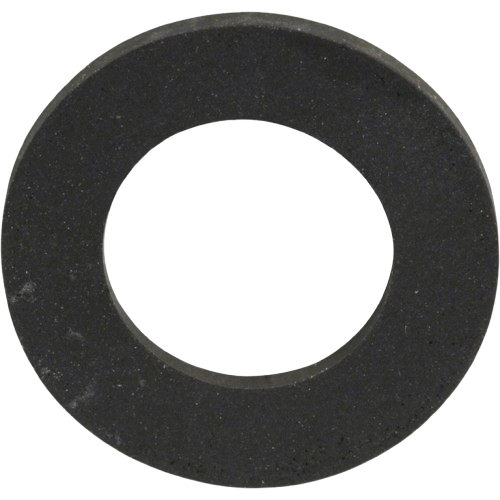
What Do Conical Washers Actually Do?
In standard UK plumbing (32mm and 40mm waste), conical washers are designed to:
- Create a Watertight Seal: Compression nuts squeeze the tapered end into the fitting to block water.
- Bridge Gaps: Their shape allows them to seal even if the pipes aren't perfectly aligned.
- Vibration Resistance: The flexible material prevents joints from loosening due to water pressure.
Common Signs of a Failed Washer
Because these are made of rubber or soft plastic, they eventually become brittle or flattened. Watch for:
If the leak is coming from the trap body itself rather than a joint, you may need a new P-trap instead. For a wider diagnosis, see our guide to fixing a leaking pipe under a sink.
Where to Buy Conical Washers in the UK
Washers are very affordable, typically costing between £1 and £5 for a pack. We highly recommend buying an assorted pack so you always have 32mm (basin) and 40mm (sink) sizes on hand.
| Retailer | Stock Status | Benefit | Link |
|---|---|---|---|
| Screwfix | In Stock | Great value bulk packs | View Range |
| Toolstation | Available | Assorted packs for all waste pipes | Check Stock |
How to Replace a Conical Washer
This is a 5-minute DIY fix that can save you a call-out fee. No tools are usually required.
Unscrew the Nut
Unscrew the large plastic compression nut at the leaking joint. Slide the nut back along the pipe to expose the old washer.
Clear the Sealing Face
Remove the old washer. Use a damp cloth to clean any slime or grit from the pipe and the inside of the fitting where the new washer will sit.
The "Pointy" End Faces In
Slide the new conical washer onto the pipe. Crucial: The narrow, tapered end must point toward the fitting (the part the pipe is entering).
Hand-Tighten Only
Push the pipe fully into the fitting. Slide the washer and nut forward. Tighten the nut firmly by hand. Run the water to test for drips.
💡 Pro Tips for a Leak-Free Finish
- Hand-tighten only: Using a wrench on plastic nuts often deforms the conical washer, causing more leaks.
- Always Replace: If you take a waste joint apart, it's best practice to put a new washer in rather than reusing the old, compressed one.
- Size Matters: Basins and bidets use 32mm (1 1/4"), while kitchen sinks and baths use 40mm (1 1/2").
- No PTFE needed here: A conical washer joint seals on the rubber alone. Save your PTFE tape for threaded water-supply fittings, not waste joints.
Frequently Asked Questions
What size conical washer do I need?
In UK plumbing, basins and bidets use 32mm (1 1/4 inch) waste, while kitchen sinks and baths use 40mm (1 1/2 inch). Match the washer to your waste pipe size. An assorted pack is handy so you always have both on hand.
Which way round does a conical washer go?
The narrow, tapered end of the conical washer must point towards the fitting that the pipe enters. Fitting it the wrong way round is the most common reason a joint still leaks after a new washer is installed.
Why is my waste pipe still leaking after a new washer?
Usually the washer is in the wrong way round, the nut has been over-tightened and deformed the washer, or grit is trapped on the sealing face. A cracked trap or badly misaligned pipework can also leak in a way no washer will cure.
Should I use a wrench to tighten a compression waste nut?
No. Plastic compression nuts should be hand-tightened only. Using a wrench tends to crush and deform the conical washer, which causes more leaks rather than fewer.
Can I reuse an old conical washer?
It is best not to. Once a washer has been compressed it takes a set, and reusing a flattened or brittle one often leaks. Whenever you take a waste joint apart, fit a fresh washer.
Do I need PTFE tape or sealant on a conical washer joint?
No. A conical washer compression joint seals on the rubber alone and does not need PTFE tape or sealant. PTFE is for threaded water-supply fittings, not push-fit or compression waste joints.