Toilet Fill Valve Replacement UK: Bottom & Side Entry Guide
The fill valve is what refills your cistern after every flush. When it fails — whistling, slow to fill, constantly trickling — replacing it is a straightforward 20-minute DIY job that costs under £20 and doesn't need a plumber.
Quick Answer
To replace a toilet fill valve: shut off the isolation valve, flush to empty the cistern, unscrew the locking nut beneath the cistern, lift out the old valve, drop in the new one adjusted to height, hand-tighten the nut plus a quarter turn, reconnect the supply pipe, and turn the water back on. Adjust the float so the water stops 25mm below the overflow pipe. The standard UK size is 1/2 inch BSP — make sure you buy either a bottom entry or side entry valve to match your cistern.
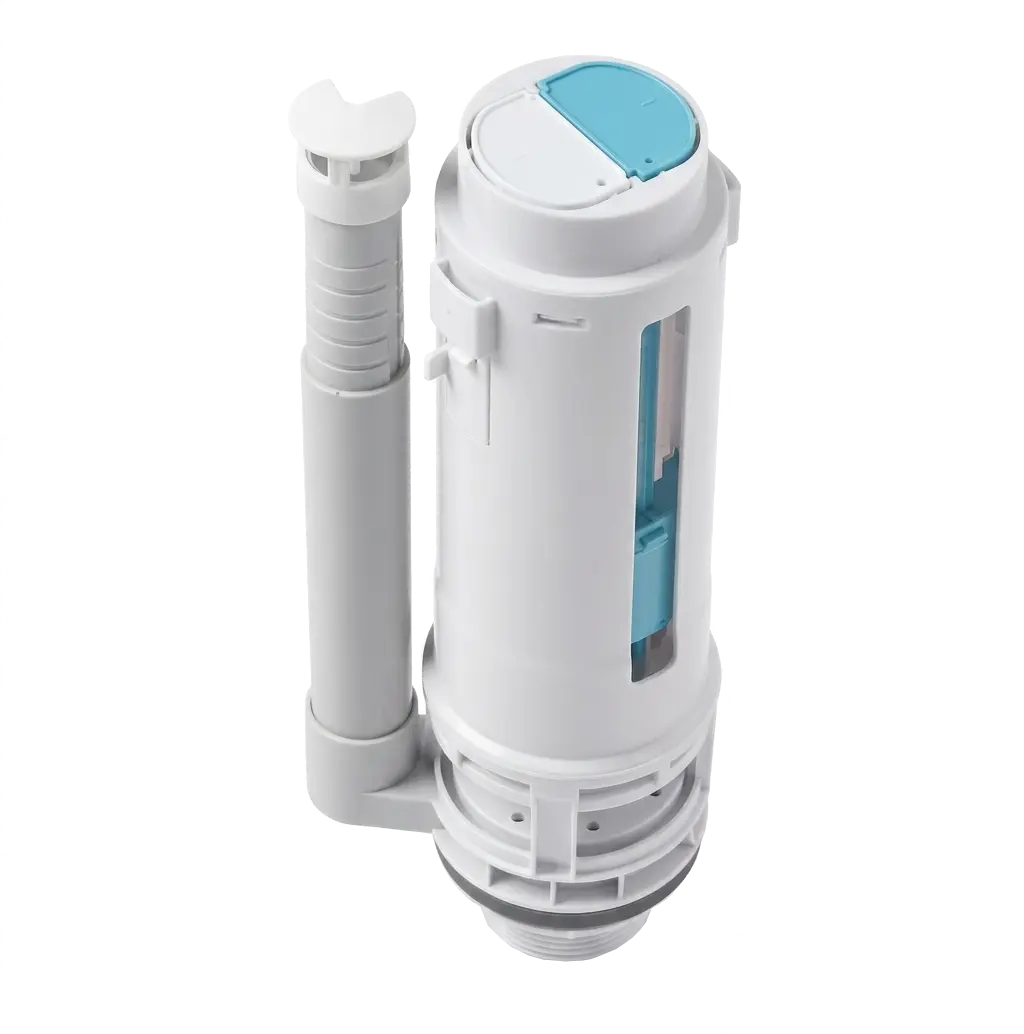
What is a Toilet Fill Valve?
The fill valve (also called an inlet valve or ballcock) controls the flow of water into the cistern after flushing. Modern replacements are height-adjustable and use a diaphragm mechanism rather than a traditional float arm — quieter, faster, and far more reliable.
When buying a replacement, the single most important thing to get right is the entry type. Get this wrong and the valve simply won't fit your pipework.
Bottom Entry vs Side Entry — Which Do You Have?
Lift the cistern lid and look at where the supply pipe enters. It will be one of these two:
Bottom Entry
The supply pipe comes up through a hole in the base of the cistern. Common in modern close-coupled toilets where the pipe runs under the floor or is hidden inside a unit. The fill valve sits vertically with the water connection at the bottom.
Side Entry
The supply pipe enters through a hole in the side of the cistern, usually near the top left or right. More common in older UK toilets and low-level cisterns where the pipe runs along the wall. The fill valve sits horizontally into the side.
If you're unsure, a dual entry valve (sometimes called a 4-in-1 valve) can be configured for either type — brands like Viva Skylo make these specifically for the UK market.
Signs Your Fill Valve Has Failed
Note: if water is trickling into the bowl constantly even after a new fill valve, the problem is more likely a worn flush valve seal rather than the inlet valve.
Where to Buy a Toilet Fill Valve in the UK
Expect to pay £10 to £22 for a quality replacement. Fluidmaster and Thomas Dudley are the two most reliable brands for UK cisterns — avoid unbranded valves, which tend to fail within a year in hard water areas.
| Retailer | Stock | Recommended Product | Link |
|---|---|---|---|
| Screwfix | In Stock | Fluidmaster Pro Series — bottom & side entry | View at Screwfix |
| Toolstation | Available | Siamp & Thomas Dudley Hydroflo range | Check Toolstation |
| Amazon UK | Available | Fluidmaster 400UK — 1/2" BSP universal | Search Amazon UK |
| B&Q | Available | Universal fill valve kits — in store & online | Check B&Q |
How to Replace a Toilet Fill Valve — Step by Step
This takes around 20 minutes. You'll need an adjustable spanner, a sponge, and a small bucket or towel.
Shut off the water supply
Turn the isolation valve on the supply pipe 90 degrees clockwise to close it. Flush the toilet to empty the cistern, then sponge out the last inch of water sitting at the bottom — you'll be working in there and a dry cistern makes it much easier.
Disconnect the supply pipe
Unscrew the coupling nut connecting the supply pipe to the base or side of the cistern. Have a cloth underneath — a small drip is normal. On bottom entry valves this nut is directly under the cistern; on side entry it's on the outside wall of the cistern.
Remove the old fill valve
Inside the cistern, unscrew or unclip anything holding the valve body in position. Then from outside, unscrew the plastic locking nut that clamps the valve through the cistern wall. Once that's off, lift the old valve straight out from inside. Dispose of it — these aren't worth repairing.
Set the height and fit the new valve
Adjust the telescopic body of the new valve so the top cap sits around 25mm below the underside of the cistern lid. Drop it into the hole, ensuring the rubber washer or seal seats flat against the cistern floor or wall. Hand-tighten the locking nut from outside, then add a quarter turn with a spanner. Do not overtighten — plastic cistern threads strip very easily and you'll crack the porcelain.
Reconnect the supply pipe and adjust the float
Reconnect the coupling nut. Turn the isolation valve back on slowly and watch the cistern fill. Once it reaches the shut-off point, check where the water level sits. Adjust the float height screw (on Fluidmaster valves this is a twist of the top cap) so the valve closes with the water sitting 25mm below the overflow pipe. Flush once to confirm everything shuts off cleanly with no drips.
Pro Tips
- Brass shank vs plastic. Spend the extra £2–3 for a brass tail (shank). It's more resistant to cross-threading when reconnecting the supply pipe nut, and lasts longer in hard water areas like London and the South East.
- Check the filter first. If a brand-new valve fills slowly, unscrew the cap and check the small mesh filter in the tail. Debris from the pipes often collects there during installation.
- Don't overtighten. UK cistern plastic threads are notoriously easy to strip. Finger tight plus a quarter turn is enough for both the locking nut and the supply coupling.
- Still running after replacement? If the toilet keeps running after a new fill valve, check the flush valve seal — that's a separate component at the bottom of the cistern and the other common cause of a running toilet.
Related Guides
Frequently Asked Questions
What is the difference between a bottom entry and side entry fill valve?
A bottom entry fill valve connects through a hole in the base of the cistern — the supply pipe comes up from the floor. A side entry valve connects through the side of the cistern near the top, where the pipe runs along the wall. You must buy the correct type for your cistern's pipework.
What size fill valve do I need for a UK toilet?
The standard UK toilet fill valve connection is 1/2 inch BSP. Most modern replacements such as the Fluidmaster 400UK are height-adjustable and fit the majority of UK close-coupled and low-level cisterns.
Why is my toilet still running after replacing the fill valve?
If the toilet still runs after a new fill valve, the fault is likely the flush valve seal (flapper) at the bottom of the cistern rather than the inlet valve. Water trickling constantly into the bowl after the cistern has refilled almost always points to a worn flush valve seal.
How long does a toilet fill valve last?
A quality fill valve typically lasts 5 to 7 years. Hard water areas — London, the South East, East Anglia — can shorten this due to limescale build-up on the diaphragm and internal filter.
Can I replace a toilet fill valve myself in the UK?
Yes. It's a straightforward DIY job with no soldering or specialist tools needed. The whole job takes around 20 minutes and the parts cost under £20 from any plumbers' merchant, Screwfix, or Toolstation.
Should I buy a brass or plastic shank fill valve?
Brass shank valves are more resistant to cross-threading and last longer in hard water areas. Plastic shank valves are cheaper and fine in soft water areas, but it's worth spending the extra £2–3 for brass if your water is hard.