Assorted Rubber Tap Washers: Types, Sizes & How to Replace (UK Guide)
A dripping tap is usually a sign of a worn rubber washer inside the tap body. Replacing the washer takes around 5 to 10 minutes and costs less than £5 for most UK taps. This guide covers how to identify the right size, choose the best assorted pack, and complete the repair yourself.
Quick answer: A dripping tap is almost always caused by a perished rubber washer. Turn off the isolation valve, unscrew the tap body, swap the old washer for a new one of the same size, and reassemble. Assorted washer packs (usually 50–100 pieces mixed sizes) cost £2–£6 from Screwfix or Toolstation and last for multiple repairs across your home.
Contents — jump to section
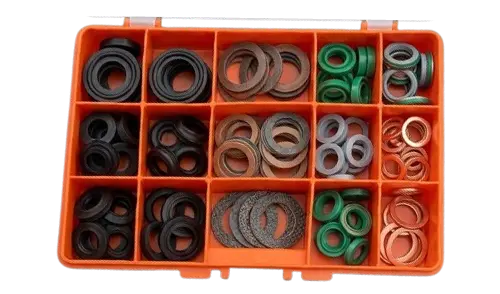
What are rubber tap washers?
A rubber tap washer is a small circular disc that sits at the base of a tap's internal valve. When you turn the tap off, the washer is pressed against a brass seat inside the tap body, creating a watertight seal to stop the flow of water.
Over time — typically 3 to 5 years depending on water hardness and usage — the rubber perishes and hardens. When this happens, the seal fails and water drips or runs continuously even when the tap is supposedly off. It is the most common tap fault in UK homes and the easiest to fix yourself. A replacement washer costs just a few pence.
Why tap washers fail and what causes dripping
Rubber tap washers degrade for several reasons, and understanding the cause can help you choose the right replacement:
How long do rubber washers last? In soft water areas, a washer can last 5–7 years. In hard water areas with high chlorine, washers may degrade within 2–3 years. The good news: replacement only takes minutes and costs pence rather than pounds.
Types and standard sizes of tap washers
Tap washers come in two main types for UK plumbing, and understanding the difference will save you time when shopping:
| Type | Common sizes (diameter) | Best for | Notes |
|---|---|---|---|
| Jumper washer (traditional) | 12 mm, 15 mm, 18 mm, 20 mm | Older taps, pillar taps, many kitchen/bathroom mixers | Sits on a brass pin (jumper). Easy to identify and replace. Most common type. |
| Ceramic disc cartridge | Single unit, no washer | Modern taps, lever mixers, single-lever kitchen taps | Entire cartridge replaces, not just washer. Rarely fails but more expensive when it does. |
| Valve seat washer (seat disc) | Varied (2–3 mm thick) | Some mixer taps and ball valves | Less common but important to have on hand if you maintain multiple tap types. |
How to measure your washer: The easiest way is to remove the old one and lay it on a ruler or measure it with callipers. Standard sizes are 12 mm, 15 mm, 18 mm, and 20 mm diameter. Most domestic UK taps use either 15 mm or 18 mm washers.
Assorted washer packs vs buying individual washers
Most people buy assorted packs because they work out cheaper and give you spares for future repairs around the home.
⚠️ Pro tip: A single assorted pack (typically 50–100 washers mixed sizes) costs £2–£4 and will cover most tap repairs you encounter over years. Buying individual washers from a plumbers' merchant costs more per item but guarantees you get the exact size.
| Format | Cost | Quantity | Best for |
|---|---|---|---|
| Assorted pack | £2–£6 | 50–100 washers (mixed sizes) | Homeowners, DIYers, multiple taps in your home. Best value for money. |
| Single size pack | £1.50–£3 | 10–20 washers (one size) | You know the exact size you need and want to avoid carrying extra washers. |
| Blister card (single) | £0.80–£1.50 | 1 washer | Emergency repair at a DIY store. Most expensive per washer; convenient but poor value. |
Which should you buy? For most homeowners, an assorted pack is the clear winner. You get dozens of washers in all common sizes for the price of just a few individual washers, and you will always have spares when the next tap starts dripping.
Where to buy assorted rubber tap washers in the UK
Rubber tap washers are stocked at virtually every DIY and trade merchant in the UK. Assorted packs typically cost £2–£6 and are available online or in-store same-day at major chains.
| Retailer | Stock | Good for | Link |
|---|---|---|---|
| Screwfix | In stock | Replacement Tap Washers 170 Pcs | View range |
| Toolstation | Available | Competitive pricing; often cheaper than Screwfix; assorted and individual packs | Check stock |
| Amazon | Wide range | View All Products in the market | Search B&Q |
Tip: Assorted packs are typically cheaper online than in-store. Check Screwfix and Toolstation websites for availability and click-and-collect options to avoid delivery charges.
How to replace a tap washer — step by step
Replacing a tap washer is one of the quickest DIY plumbing repairs. Most taps take 5 to 10 minutes once you have the right tools and replacement washer. No specialist knowledge required.
What you need: assorted washer pack (or correct size), adjustable spanner or wrench, flathead screwdriver, cloth or rag to catch any water.
Turn off the water supply
Look under the sink for the isolation valve on the water supply pipe to the tap. Turn the slotted screw clockwise to close it off. If there is no isolation valve, turn off the mains water supply instead. Turn on the tap fully to release any remaining pressure and empty the supply pipe.
Unscrew the packing nut
Using an adjustable spanner, grip the packing nut at the base of the tap body (just above the sink surface) and turn it counter-clockwise. For some taps you may need to remove a decorative cover or handle first — use a flathead screwdriver to carefully prise it off. Once loose, lift the tap body straight up and out.
Swap the old washer for a new one
Inside the tap body you will see a brass pin (jumper) with the old washer on top. Remove the old, perished washer and discard it. Slide a new washer of the same size onto the pin, ensuring it sits flat and evenly. Wipe away any sediment or limescale from the brass seat with a damp cloth.
Screw back together and check
Lower the tap body back down and screw the packing nut back on with the spanner. Tighten firmly but do not over-tighten. Turn the isolation valve back on slowly to refill the supply. Turn on the tap and check for dripping. If it still drips, the washer may not be seated properly — try again with a new washer.
💡 Pro tips for a successful washer replacement
- Measure the old washer before buying. Keep the original washer as a reference when shopping or picking a replacement size from your assorted pack. Most taps use 15 mm or 18 mm.
- Clean the valve seat. While you have the tap apart, use a damp cloth to remove any limescale or debris from the brass valve seat. A dirty seat will prevent the new washer from sealing properly and cause it to fail quickly.
- Replace the washer, not just the pin. Some old taps have a worn jumper pin as well as a worn washer. If dripping continues after washer replacement, the pin may need replacing — it is inexpensive and easy to swap at the same time.
- Consider a ceramic disc cartridge for modern taps. If your tap is less than 10 years old and has a single lever, it likely uses a ceramic disc cartridge instead of a rubber washer. These rarely fail but are more expensive to replace.
- Turn off the isolation valve before starting. Always close the valve on the supply pipe under the sink. This prevents water escaping when you remove the tap body and makes the job much cleaner and easier.
- Keep spares. A single assorted washer pack will handle dozens of repairs. Once you have one, keep it in a kitchen drawer for whenever a tap starts dripping.