Insulated Tap Cover Jacket — Stop Outdoor Taps Freezing (UK Guide)
A burst outdoor pipe can flood a wall cavity or garage in hours and cost thousands to fix. An insulated tap cover jacket is a £5 piece of thermal-lined fabric that slips over your outdoor tap and keeps the frost out. Fitting one takes under five minutes and it will pay for itself the first time it saves a call-out.
Quick answer: An insulated tap cover jacket wraps your outdoor tap in a foam-lined pouch that traps warm air and blocks wind chill. Fit it before the first frost (late October in most of the UK), pull the drawstring tight against the wall, and leave it in place until spring. Covers cost £3–£8 from Screwfix, Toolstation, B&Q or Wickes and take five minutes to fit.
Contents — jump to section
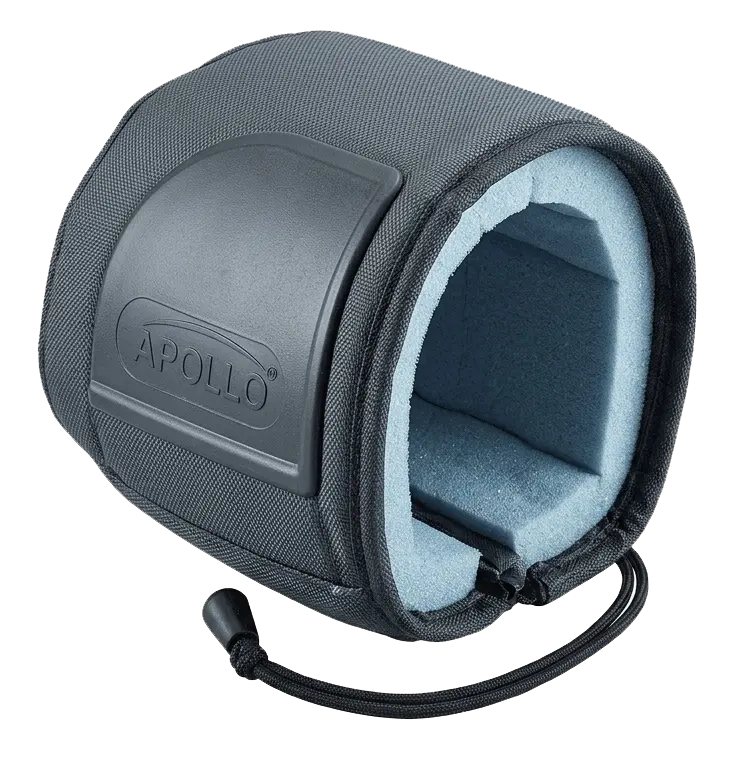
What is an insulated tap cover jacket?
An insulated tap cover jacket is a thermal pouch — usually a hardwearing outer fabric with a foam or polystyrene bead lining — that slips over your outdoor tap and cinches shut with a drawstring or Velcro strap. It traps a layer of warm air around the tap body and blocks the wind chill that causes taps and the exposed pipe stub to freeze.
A burst outdoor pipe can release hundreds of litres of water into a wall or garage in a matter of hours, with repair bills routinely running into the thousands. A tap cover is one of the cheapest bits of frost protection a homeowner can buy.
Signs your outdoor tap is at risk
Look out for these warning signs going into autumn:
If your outdoor tap is fed by a long run of uninsulated pipe through an unheated space, a cover alone may not be enough. Combine it with foam pipe insulation on the exposed pipe run and, in a cold snap, isolate and drain the outdoor supply.
Sizing: choosing the right cover
Most standard tap covers fit typical UK bib taps and garden taps, but a cover that is too small will not close properly and a cover that is too large will not trap warm air effectively. Fitting the wrong size is the main reason a tap still freezes despite being "protected".
⚠️ Measure before you buy. Note the depth your tap sticks out from the wall, the widest point (usually the handle), and whether a hose connector or double check valve is permanently fitted. Add 20 mm of clearance to each dimension so the cover sits over the tap without compressing the insulation.
| Cover size | Fits taps up to | Notes |
|---|---|---|
| Standard | 150 mm deep × 130 mm wide | Fits the vast majority of UK bib taps and garden taps without accessories. |
| Large | 200 mm deep × 160 mm wide | For taps with a hose union or double check valve permanently fitted. |
| Extra large / mixer | 250 mm+ deep | Suits wall-mounted mixer taps, twin-outlet taps and long-spouted garden taps. |
| Standpipe / pillar | Tall cylindrical cover | Purpose-shaped for freestanding standpipes rather than wall taps. |
Where to buy insulated tap covers in the UK
Covers cost between £3 and £10 at most UK trade and DIY merchants. Stock is highest from September to November, and shelves often empty during the first cold snap — so it pays to buy early.
| Retailer | Stock | Good for | Link |
|---|---|---|---|
| Amazon | In stock | Frost Protection for Winter | View range |
| Toolstation | Available | Apollo Outside Tap Cover | Check stock |
How to fit an insulated tap cover jacket — step by step
Fitting takes under five minutes and needs no tools. Aim to do it on a dry day in late October so the tap is bone-dry when you enclose it.
What you need: correctly-sized tap cover, a dry cloth.
Drain and dry the tap
If you have an internal isolation valve for the outdoor tap, close it and open the tap fully to drain any water sitting in the body. Close the tap again. Wipe the spout, handle and tap body dry with a cloth — trapped moisture inside the cover can freeze and split the tap even with the jacket on.
Slide the cover over the tap
Open the cover and hold it with the drawstring end facing you. Position it over the tap so the tap body sits centrally inside, then push it back until the neck meets the wall. Make sure the spout and handle are fully enclosed with no fabric pinched around them.
Tighten the drawstring
Pull the drawstring or Velcro strap firmly around the neck where the cover meets the wall or supply pipe. It needs to sit snug against the brickwork — any gap here will let a draught in and undo the insulation.
Test the fit and leave in place
Give the cover a gentle wiggle. It should stay in place with no visible gaps around the neck. Leave it fitted from October through to March. In a cold snap below -5°C, also close the internal isolation valve and drain the tap as a belt-and-braces measure.
💡 Pro tips for real-world protection
- Fit early. The first hard frost in the UK often catches people out in late October. Fit the cover as soon as overnight temperatures start dipping below 4°C rather than waiting for a warning on the forecast.
- Dry the tap first. Water left inside the tap body will freeze even with a cover on, and freezing water expands with enough force to crack brass. Open the tap fully and let it drain before you fit the jacket.
- Lag the pipe run too. The cover protects the tap and about the first 50 mm of pipe. Any exposed pipe run through an unheated garage or wall cavity should be lagged separately with foam pipe insulation.
- Close the internal isolation valve for extended cold. If temperatures are forecast below -5°C for more than 48 hours, close the internal valve on the pipe feeding the outdoor tap and drain the tap. The cover then only has to protect a dry tap, not a full one.
- Remove and store in spring. Leaving the cover on all summer traps moisture, encourages corrosion of the tap body and gives spiders and wasps a nesting spot. Take it off in late March and store it somewhere dry.
Frequently asked questions
Do insulated tap covers actually work?
Yes. A jacket traps warm air around the tap body and blocks wind chill from reaching the metal. In typical UK winters — where outdoor temperatures rarely stay below -5°C for extended periods — a well-fitted cover is usually enough to prevent the tap and the pipe stub behind it from freezing. For prolonged cold snaps, combine the cover with closing the internal isolation valve and draining the tap.
Are insulated tap covers universal?
Most standard covers fit typical UK bib and garden taps up to around 150 mm deep and 130 mm across. Wall-mounted mixer taps, taps with a hose union permanently fitted, or standpipes need a larger or purpose-shaped cover. Measure your tap and add 20 mm clearance before ordering.
How much does an insulated tap cover jacket cost in the UK?
A standard cover costs between £3 and £8 at trade and DIY merchants including Screwfix, Toolstation, B&Q and Wickes. Heavy-duty models with thicker foam lining sit at the higher end. Multi-packs work out cheaper if you have more than one outdoor tap to protect.
When should I fit an insulated tap cover?
Fit it before the first frost — typically late October in most of the UK. Leave it on continuously through winter and remove it in late March or early April. It takes under five minutes to fit, so there is no reason to leave it until the last minute.
Do I still need to isolate the outdoor tap if I fit a cover?
For most winters a cover on its own is sufficient. But in a prolonged cold snap (below -5°C for more than 48 hours) it is safer to also close the internal isolation valve on the pipe feeding the outdoor tap, then open the outdoor tap to drain it. That gives you two independent layers of protection against a burst pipe.
How much damage can a burst outdoor pipe cause?
A single burst pipe can release hundreds of litres of water into a wall cavity or garage in a matter of hours. Repair and drying-out bills routinely run into the thousands of pounds, and the insurance excess alone is often more than a decade of tap covers. A £5 jacket is one of the cheapest bits of insurance a homeowner can buy.
Can I leave the tap cover on all year?
Better to remove it in spring. Leaving it on year-round traps moisture, encourages corrosion of the tap body, and gives spiders and wasps a nesting spot. Take it off in late March, store it somewhere dry, and refit it in autumn.
What if my tap freezes anyway?
Close the internal isolation valve immediately. Thaw the tap slowly using a cloth soaked in warm (not hot) water, or a hairdryer on a low setting — never use a naked flame or boiling water. Once flowing again, inspect the tap and visible pipe for splits or bulges. If you see any weeping, call a WaterSafe-approved plumber before turning the supply back on fully.