Electric Shower Not Working? Common UK Faults & DIY Fixes
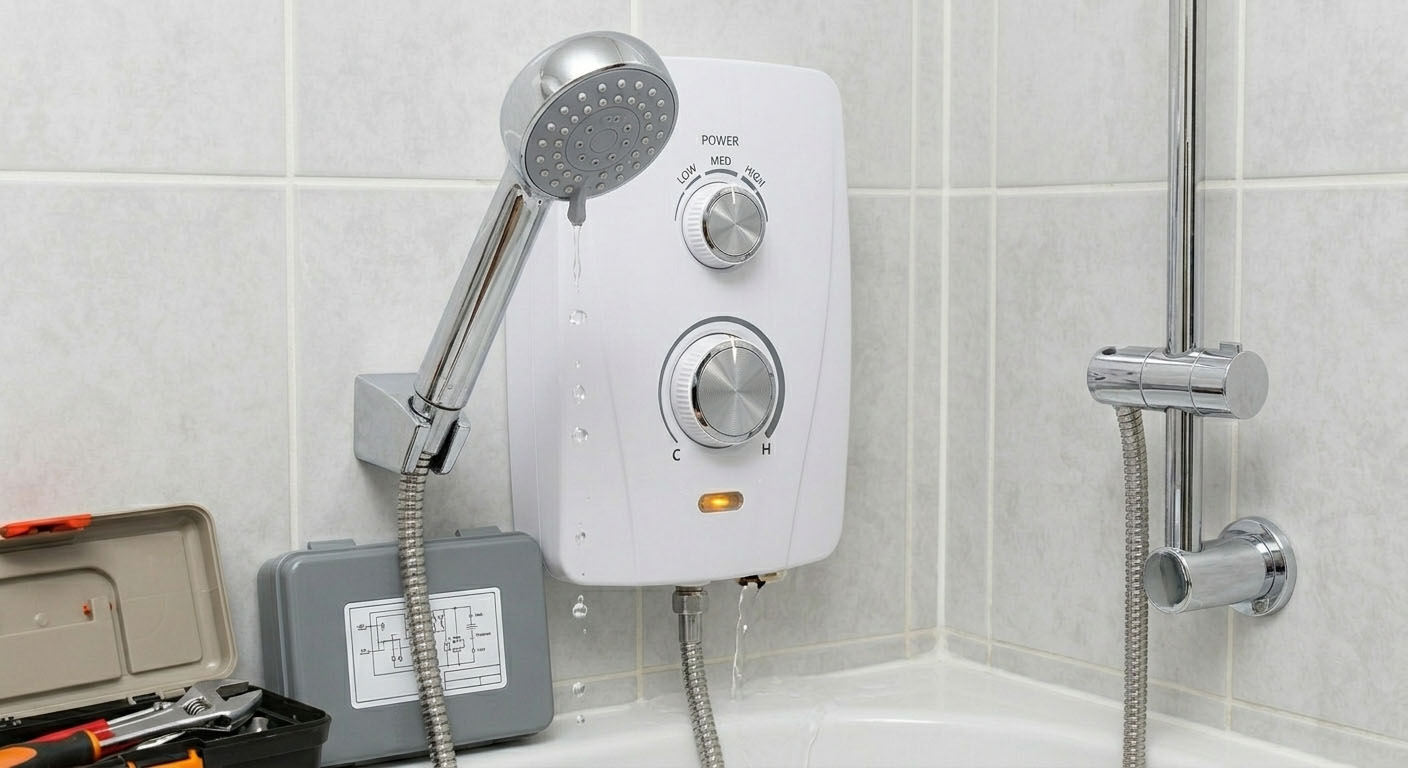
Stepping into the bathroom only to find your electric shower not working is a frustrating start to the morning. Whether the water is freezing cold, the pressure has dropped, or the unit won't switch on at all, most faults on brands like Triton, Mira, and Aqualisa follow a predictable pattern.
In the UK, electric showers sit at the intersection of your plumbing and electrical systems, which can make diagnosing the problem confusing. This guide will help you identify whether you need a plumber, an electrician, or simply a new shower head.
Quick Navigation
1. Electric Shower Has No Power (The "Dead Unit" Problem)
If your shower is completely dead — no lights on the front panel and no response when you press the start button — the fault is almost always upstream of the unit itself. Before you look for a replacement, work through these specific failure points.
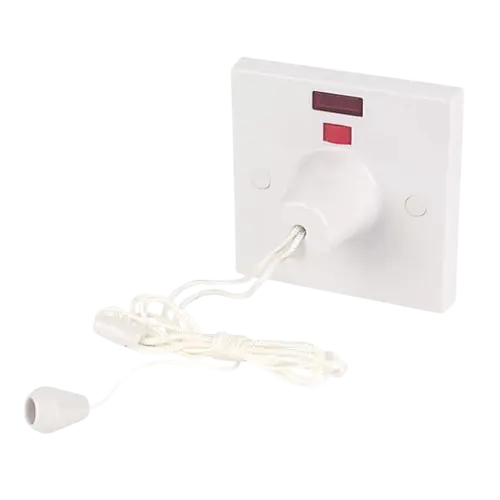
- The Isolator Switch: Most UK homes use a ceiling pull-cord or wall-mounted switch with a red neon indicator. These switches are the most common failure point. They handle a huge electrical load (up to 45 Amps), and the internal plastic can melt or the terminals can work loose over time. If the red light isn't glowing, or if the cord feels "spongy" and won't click, the switch has burnt out and needs replacing.
- The Consumer Unit (Fuse Box): Check whether the dedicated circuit breaker for the shower has tripped to the OFF position. If you reset it and it immediately snaps back down, you have a hard fault — typically a split heating element inside the shower or a short circuit in the wiring. For more on this, see our guide on why circuit breakers keep tripping in UK homes.
- The Solenoid Valve: If the power lights are ON but no water flows, listen carefully when you press the start button. You should hear a distinct "clunk" — that's the solenoid opening the water valve. Silence means the solenoid coil has likely failed. It's a cheap part to replace and far more economical than a whole new shower.
- Loose Terminal Connections: Shower cables are thick and stiff (usually 6mm² or 10mm²) and can work loose inside the terminal block due to heat cycles during long showers. A loose wire will prevent the unit from powering up and is a serious fire risk.
2. Electric Shower Running Cold
A shower that produces only cold water is the most common complaint in the UK. If the unit powers on but the water stays cold, check these three components:
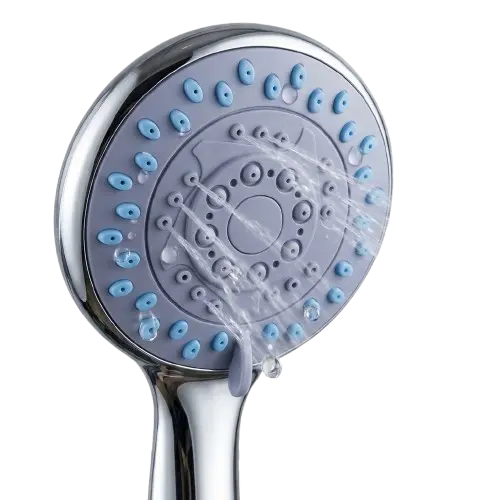
- Thermal Cut-Out (TCO): This safety device cuts power to the heating elements if the shower overheats — typically triggered by a limescale-blocked shower head restricting flow. The TCO usually requires replacement rather than a manual reset.
- Faulty Heating Element: Most UK electric showers contain two heating elements. If one or both burn out (like a kettle element), the water will be cold or barely lukewarm. Replacement elements are available for most Triton and Mira models.
- Failed Micro-switch: These small switches activate the heating elements when water begins to flow. If they become misaligned or fail entirely, the heaters won't engage regardless of water flow.
3. Electric Shower Low Pressure & Poor Flow
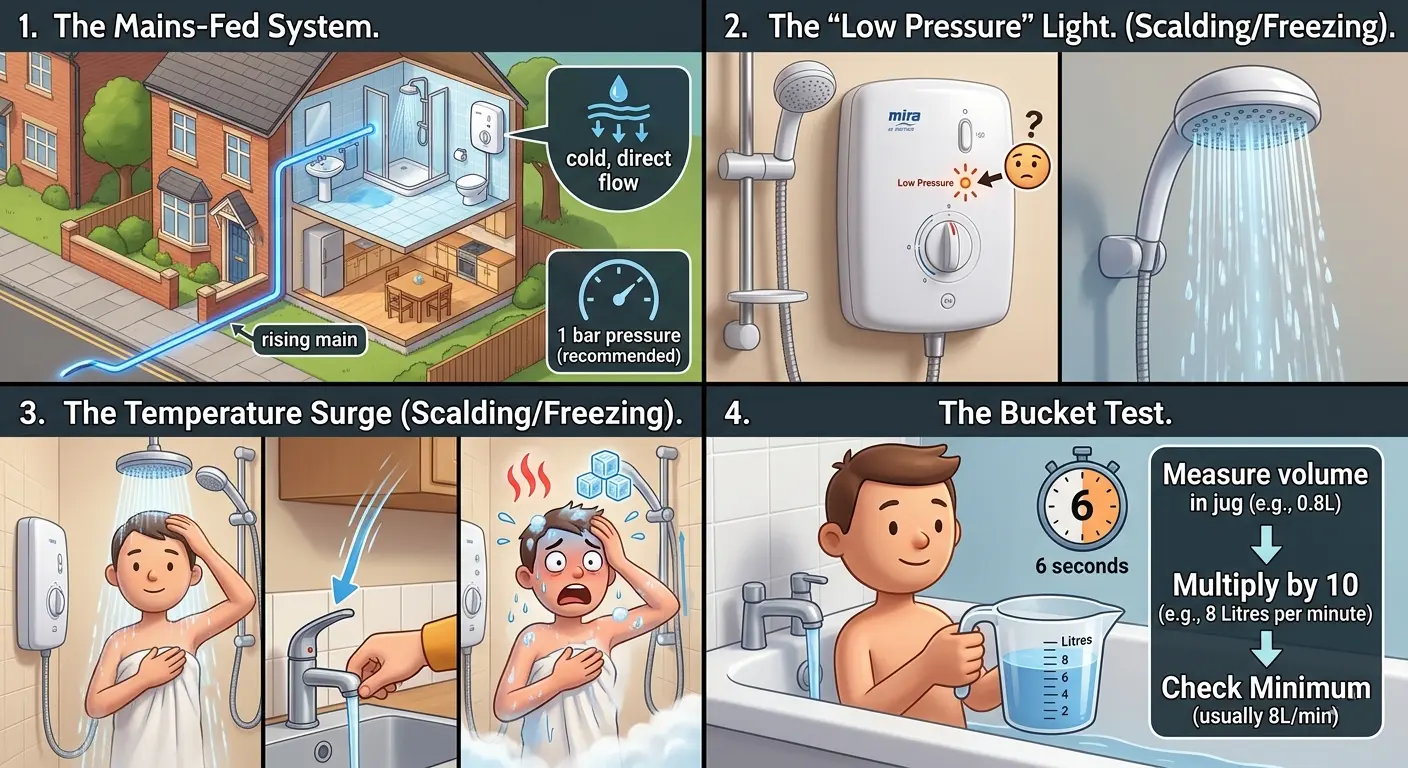
Electric showers are mains-fed — they draw cold water directly from your rising main and heat it instantly. If incoming pressure drops below a critical threshold (usually 1 bar or 8 litres per minute), the shower shuts off the heaters to prevent the small internal tank from overheating.
Signs Your Electric Shower Has a Pressure Problem
- The "Low Pressure" Warning Light: Most Triton and Mira units have a dedicated indicator light that flickers when flow rate is insufficient.
- Sudden Temperature Swings: If the shower turns scalding hot then freezing cold when a kitchen tap is turned on or a toilet is flushed, the flow has dropped while heating power remained constant — a classic sign of borderline mains pressure.
- Seasonal Pressure Drops: Water pressure can fall during summer evenings when neighbours are watering gardens, which can cause intermittent problems even if the shower works fine at other times.
Further Help with Water Pressure
- If flow is poor throughout your top floor, see our guide on how to fix low water pressure upstairs in UK homes.
- If there is no water at all, see our emergency guide to no water in the house.
Common Electric Shower Repair Parts (UK)
Once you've identified the fault, these are the standard UK-spec parts most commonly required for a fix.
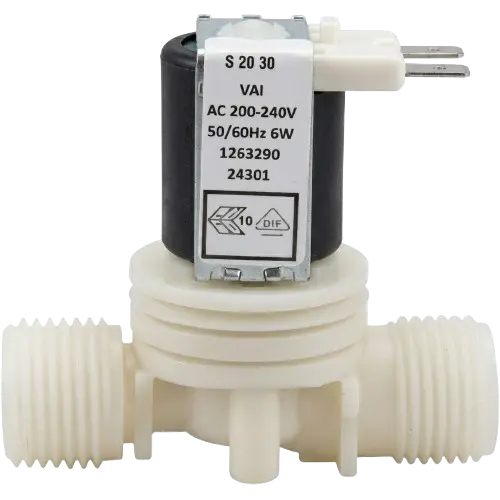
4. Water Leaking from the Bottom of the Shower Unit
If water is dripping from the bottom of the shower unit (not from the head or hose), the Pressure Relief Device (PRD) has almost certainly blown.
The PRD is a deliberate safety feature. If the shower head becomes blocked with limescale or the hose kinks sharply, back-pressure could cause the internal tank to rupture. Instead, a small plastic ball or diaphragm inside the PRD breaks to release the water safely. You must replace the PRD and clear the original blockage before using the shower again.
When to Call a Professional for Electric Shower Repairs
Cleaning a shower head or resetting a breaker is a DIY task, but electrical work inside the shower unit is restricted under UK Part P Building Regulations.
- Call a Plumber: For leaks, PRD replacements, or mains water pressure issues. Always use a WaterSafe registered engineer.
- Call an Electrician: For pull-cord replacements, new shower circuits, or if your fuse box keeps tripping. Verify they are Part P compliant and registered with NICEIC or NAPIT.
- Consider Full Replacement: If your shower is over 8–10 years old and the heating element has failed, replacing the whole unit is usually more cost-effective than paying for parts and labour on an ageing model.
Questions & Answers
Real questions from homeowners — answered by our team.
Community Questions
Electric Shower FAQs
Why does my electric shower go cold when someone turns on a tap?
This is caused by a sudden drop in mains water pressure. Most UK electric showers require a minimum maintained pressure, and when a tap is opened elsewhere the flow rate falls below that threshold, triggering the safety sensors to cut the heaters and prevent scalding. If your pressure is generally borderline, see our guide on fixing low water pressure in showers.
Is there a reset button on an electric shower?
Most UK electric showers do not have an external reset button. If the unit stopped due to overheating, the internal Thermal Cut-Out (TCO) has tripped and will usually require a replacement part rather than a simple reset. Always check the pull-cord switch and consumer unit first before opening the shower casing.
Why can I smell burning from my shower or pull-cord switch?
A burning smell almost always indicates a loose electrical connection that is arcing and melting the surrounding plastic. Because electric showers draw up to 45 Amps, any loose wire heats up extremely quickly. Turn off the power at the consumer unit immediately and call a Part P registered electrician to replace the switch or terminal block.
How much does a new electric shower cost to install in the UK?
A like-for-like replacement typically costs between £150 and £350 including labour. Installing a shower in a completely new location can exceed £700, because you will need both a plumber and a Part P registered electrician to run new 10mm² cabling and dedicated pipework.
Can I upgrade from an 8.5kW to a 10.5kW shower?
You must check your cable size before upgrading. A 10.5kW shower draws significantly more current and typically requires 10mm² cable. If your existing circuit uses 6mm² cable, it could overheat under the higher load. Also confirm that the circuit breaker in your consumer unit is rated for the higher demand (usually 45A or 50A).