Electric Shower Solenoid Valve: The Flow Gatekeeper
If your UK electric shower has power lights but refuses to start, or if it suddenly runs freezing cold, the most likely culprit is the solenoid valve. This small, electromechanical component is responsible for turning the mains water flow on and off within the shower unit.
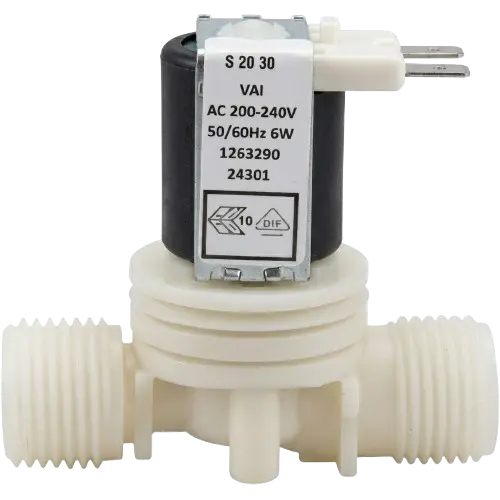
What does the Solenoid Valve do?
In a standard instantaneous electric shower (like Mira Sport or Triton T80), the solenoid valve acts as the electrical "gatekeeper" for water. It consists of two main parts:
- The Valve Body: A brass or plastic housing connected to the incoming mains water pipe.
- The Solenoid Coil: An electrical wire coil that creates a magnetic field when energized, lifting a plunger to open the valve and allow water flow.
Top 4 Symptoms of Solenoid Valve Failure
Solenoid valves usually fail electrically (the coil burns out). UK homeowners should watch for these definitive symptoms:
Where to Buy Replacement Shower Solenoids in the UK
A new solenoid coil or complete assembly usually costs between £15 and £30. We highly recommend buying genuine parts from specialized UK suppliers.
| Supplier | Stock Status | Known For | Link |
|---|---|---|---|
| National Shower Spares | In Stock | Genuine parts diagrams & fast shipping | View Spares |
| Screwfix | Available | Standard Models | Check Range |
| Amazon | Available | Standard Models | View Models |
Technical Guide: How to Test and Identify
Don't guess—test. Electrical failures can be confirmed before purchasing parts.
1. Multimeter Testing (Electrical Failure)
This is the definitive test. **Isolate the shower's electrical supply** (pull cord and consumer unit breaker). Use a multimeter set to measure resistance (Ohms Ω). Disconnect the two wires from the solenoid coil and measure across the coil's terminals. A healthy UK shower solenoid coil typically reads between **3.5 kΩ (kilohms) and 4.0 kΩ**. If your reading is 0 (short circuit) or 'Open Circuit' (infinite), the coil has failed and must be replaced.
2. Solenoid Coil vs Complete Assembly
In many popular UK showers (like Triton), you can replace *just* the black electrical coil that sits on top of the brass valve body. This is cheaper and easier, as you don't need to break any water seals. However, if the valve itself is leaking or stuck mechanically, you must replace the **complete solenoid valve assembly**.
3. Low Pressure Light Connection
If your electric shower has a "Low Pressure" light, this is often activated by a pressure switch located *after* the solenoid valve. If the solenoid fails partially, water pressure drops, and the low pressure light will illuminate, shutting down the heating elements as a safety measure.
💡 Pro Tips for Solenoid Maintenance
- Don't Test with Water On: If the valve fails electrically, water pressure won't affect it. Focus on electrical testing first.
- Isolate Power Fully: Never work inside the shower casing with the power on. Isolate at the fuse box and the pull cord.
- Genuine Parts Only: Aftermarket coils can fail prematurely or have incorrect resistance ratings, which might damage the control PCB in push-button shower models.