Washing Machine Drain Overflowing? UK Causes & DIY Fixes
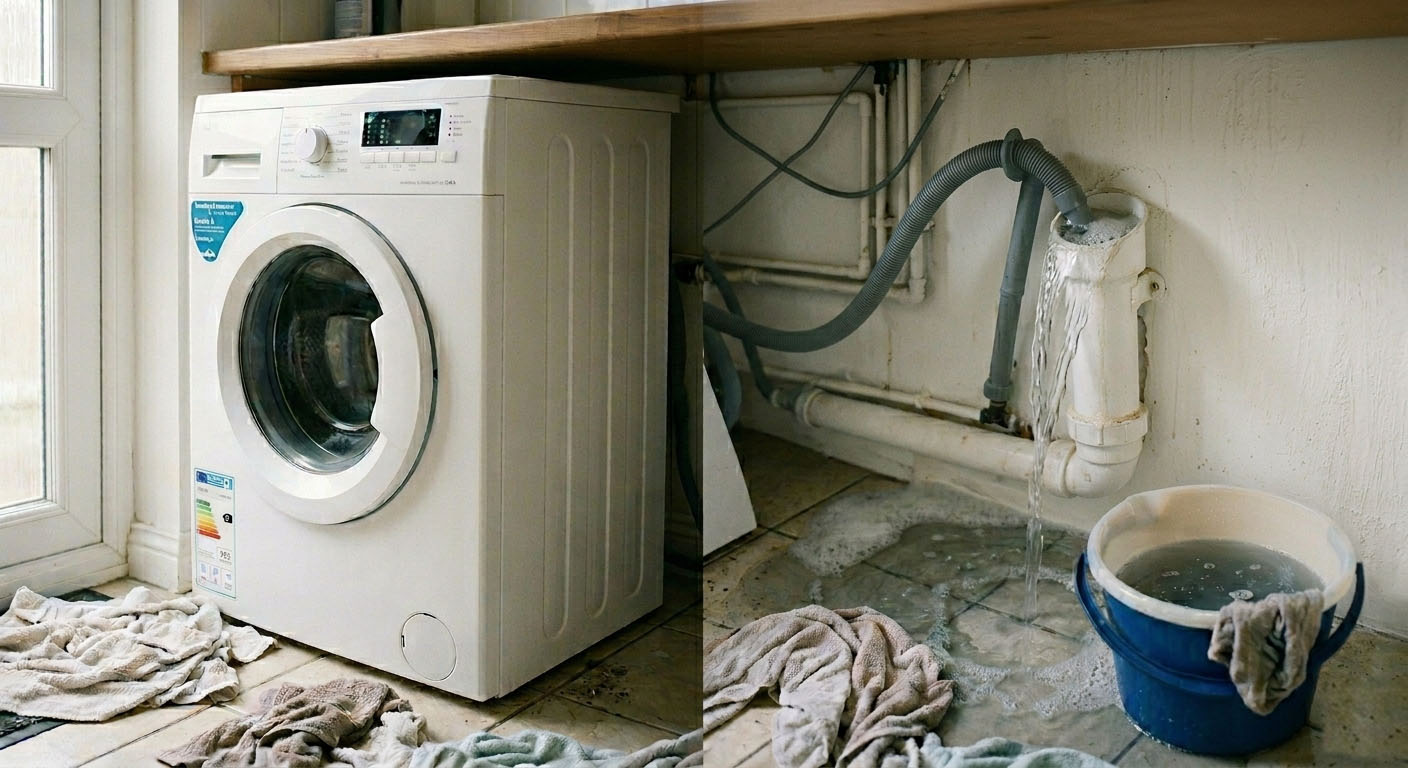
Walking into your kitchen or utility room to find water flooding across the floor from your washing machine drain is one of the most stressful household plumbing problems you can face. When a washing machine pumps out wastewater, it expels a large volume of dirty water under high pressure in just a few seconds. If your drainage system can't cope with that surge, water backs up and spills out — sometimes quite dramatically.
In UK homes, washing machines connect to the drainage system in one of two ways: the drain hose hooks over a vertical open-topped standpipe behind the machine, or it's plumbed directly into an under-sink spigot on your kitchen waste trap. Both setups work well when installed correctly, but both can cause overflows when something goes wrong. This guide covers all five main causes, with practical DIY fixes for each one.
Quick Navigation
1. Blockages in the Standpipe or P-Trap (The Most Common Cause)
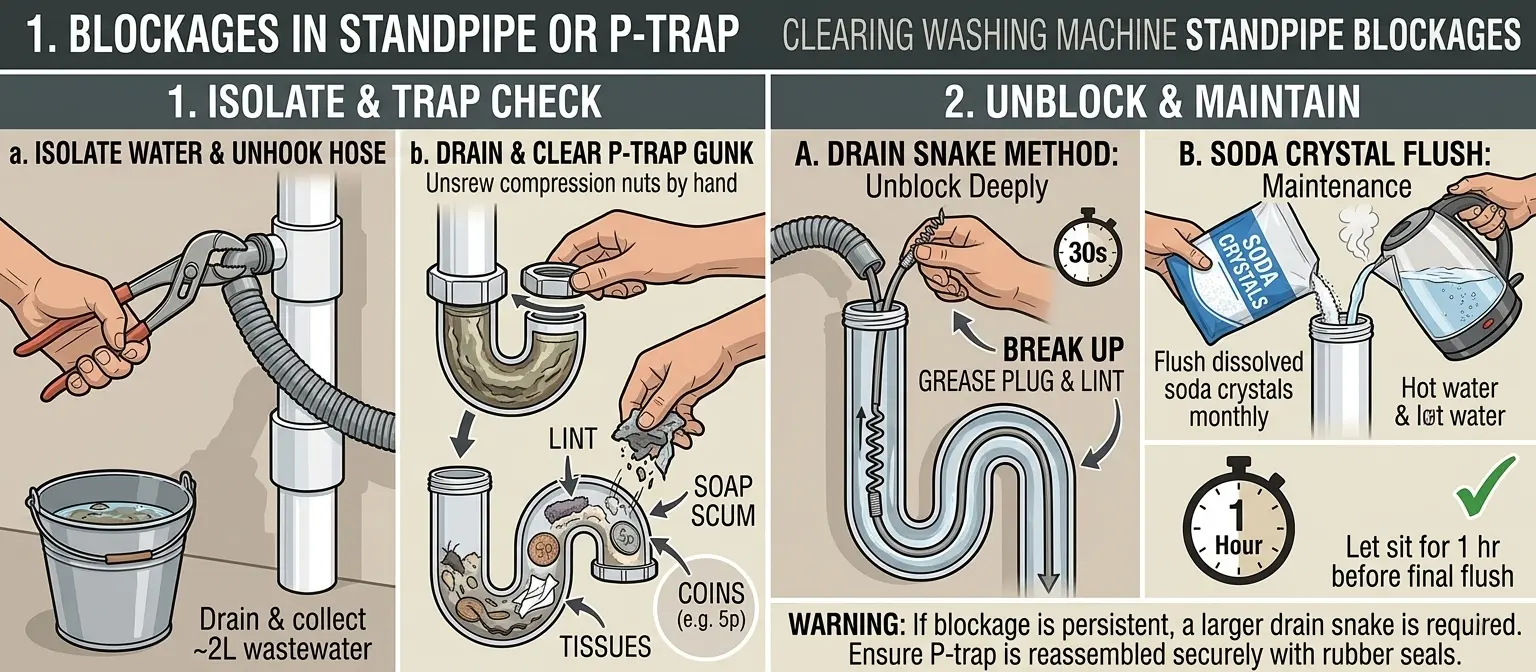
If water is bubbling up and spilling from the top of the open vertical standpipe behind your machine, the most likely culprit is a physical blockage somewhere downstream. This is by far the most frequent reason for a washing machine drain overflowing in UK homes.
Over months and years, washing wastewater leaves behind thick deposits of undissolved laundry powder, soap scum, fabric conditioner residue, lint, and small items from pockets — coins, tissues, hair grips. These build up gradually until the pipe can no longer clear the pump's full output fast enough.
- Check the P-trap first. Below the vertical standpipe sits a U-shaped or P-shaped trap — a water-filled bend that blocks sewer gases from rising into your home. Soap scum and lint collect heavily here. Place a small bucket underneath, unscrew the plastic compression nuts by hand, pull the trap down, and clear out whatever's inside. Even a partial blockage here is enough to cause regular overflows.
- Use a drain snake for deeper blockages. If the trap looks clear but water still backs up, the blockage is further along the 40mm waste pipe or where it connects to the soil stack or external gully. Feed a standard plumbing drain snake into the standpipe and work it through the pipework to break apart grease plugs and compressed lint. Our guide on why your kitchen sink is draining slowly covers the drain snake method in more detail if you haven't used one before.
- Flush with soda crystals. Once you've cleared the physical blockage, dissolve a full mug of soda crystals in a kettle of boiling water and pour it slowly into the standpipe. Soda crystals are alkaline and cut through grease and soap fat effectively without damaging plastic fittings the way caustic chemicals can. Do this once a month as routine maintenance.
- Avoid caustic liquid unblockers on a full blockage. Products like caustic soda or thick gel drain cleaner are designed to drip through to the clog. If the pipe is already completely blocked, the chemical sits in standing water and can soften older plastic joints or attack rubber seals over time.
2. Under-Sink Spigot & Blanking Cap Issues
If your appliance drain hose runs into the pipework underneath your kitchen sink rather than into a standpipe, the overflow symptoms look slightly different. You might see water backing up into the sink bowl itself, or water spraying out from the point where the hose connects to the waste assembly.
- The forgotten blanking cap. Brand new under-sink waste kits include a solid plastic blanking cap inside the spigot nozzle to seal it when no appliance is connected. If you've recently installed a new sink, replaced the waste trap, or moved into a newly fitted kitchen, check whether this cap was knocked out before the hose was connected. If it wasn't, the washing machine literally has nowhere to drain — water hits the cap and immediately backs up and overflows. Fix it by disconnecting the hose, pushing out the cap with a flathead screwdriver, and reconnecting the hose with a jubilee clip.
- Shared drain path with the kitchen sink. Because your washing machine uses the same waste pipe as the kitchen sink, anything that slows down the sink will also affect the machine drain. Fats poured down the plug hole, coffee grounds, and food debris all build up inside the P-trap and pipework. If your kitchen sink gurgles or drains slowly, that's a warning sign the shared drain is narrowing. Read our guide on a kitchen sink draining slowly in the UK to rule out a shared blockage before it causes a full overflow during your next wash cycle.
- Check the under-sink trap connections. The jubilee clip securing the drain hose to the spigot can work loose over time from machine vibration during spin. If there's water dripping specifically at the junction point, tighten the clip or replace it. If the spigot itself has cracked or the trap body has split, see our guide to fixing a leaking pipe under a kitchen sink for the correct replacement procedure.
3. Incorrect Standpipe Height & Pipe Sizing (Installation Errors)
A washing machine drain that overflows on every single wash cycle without any obvious blockage usually points to a plumbing installation error rather than a maintenance problem. UK Building Regulations and appliance manufacturer guidelines both specify strict physical requirements for standpipe setups, and if these aren't met at installation, no amount of cleaning will permanently fix the overflow.
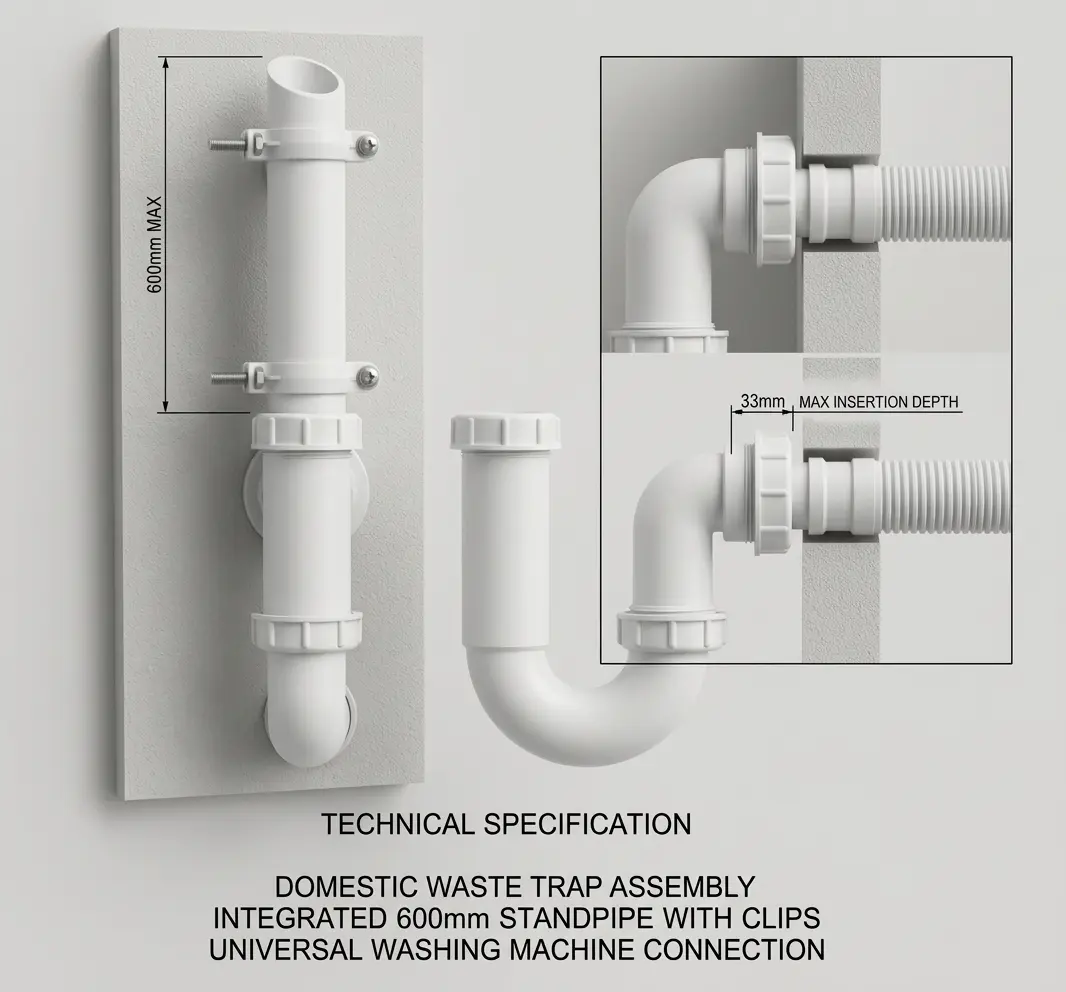
UK Standpipe Dimension Checklist
- Standpipe height: 600mm to 900mm from floor level. If the pipe is too short, the surge of water from the pump hits the standing water in the trap before gravity can clear it, causing an instant overflow. If it's over 1 metre tall, the machine's pump has to work against too much resistance, leading to slower drainage and premature pump failure.
- Pipe internal diameter must be 40mm. Some older properties or careless installations have the washing machine connected into a 32mm basin waste pipe. A 32mm bore simply does not have the volume capacity to accept the machine pump's full output fast enough. The fix is to re-plumb with correctly sized 40mm waste pipework.
- Hose insertion depth: 100mm to 150mm only. The corrugated grey hose should sit no more than 150mm down inside the standpipe. If pushed past the U-bend, it restricts water flow and in some cases causes continuous siphoning of water back out of the drum between washes. Use a plastic hose retaining guide clipped to the top of the pipe to hold it at the correct depth.
- Waste pipe gradient. The horizontal section of 40mm pipework running from your standpipe to the soil stack or gully must slope downward at a minimum fall of 1 in 40 (roughly 25mm drop per metre of run). A flat or back-pitched pipe holds water and creates regular overflow points.
4. Kinked Drain Hose or Blocked Pump Filter
Not every overflow problem lies within your walls. Sometimes the fault is right behind the appliance itself, and it's one of the easiest things to check.
When a washing machine is pushed tightly back into a kitchen alcove, the corrugated grey drain hose can fold, crush, or kink against the wall. Even a small kink creates a significant restriction. The pump builds up back pressure trying to push water past the obstruction, and that pressure forces water backwards up the standpipe and out over the top.
Pull the machine forward, straighten the hose, and make sure it has a smooth arc from the machine's outlet to the standpipe without any tight bends. Cable-tie it loosely to the back panel if needed to stop it collapsing again when the machine is pushed back in.
The other common internal cause is a blocked pump filter. Located behind a small flap at the bottom front corner of the machine, this filter catches coins, hair grips, buttons, and debris before they reach the pump impeller. A badly clogged filter slows drainage significantly and can cause the machine to flash a drain error code (E18, F08, or similar depending on manufacturer). Open the filter flap, place a shallow tray underneath, and unscrew the filter cap slowly to clear it. Do this every three to six months.
5. Continuous Siphoning Between Washes
This is a slightly different fault but it causes a related overflow problem and is frequently misdiagnosed. If you notice water trickling into the drum when the machine isn't running, or if the machine keeps trying to drain mid-cycle for no apparent reason, siphoning is the likely cause.
Siphoning happens when the drain hose is inserted too deeply into the standpipe, or when the hose connection point sits below the water level inside the drum. Water is continuously drawn out by gravity rather than being pumped on demand. The machine's pump then kicks in repeatedly to compensate, causing erratic drainage pulses that can overwhelm the standpipe, and adding unnecessary wear to the pump motor.
- Ensure the drain hose's highest point sits no lower than 600mm from the floor.
- Use a proprietary anti-siphon hose retaining clip at the top of the standpipe to prevent the hose sliding down inside it.
- If the hose connects under the sink, confirm the spigot connection point is at least 600mm off the floor — below that, gravity will continuously work against you.
Replacement Parts You May Need
Once you've identified the cause, most fixes just require swapping out a single component. All of these are standard UK push-fit fittings available from plumbing merchants or online.
| Product Image | Part Name | What It Fixes | Action |
|---|---|---|---|
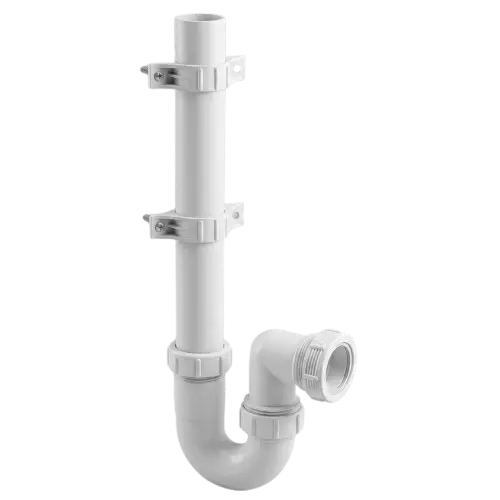
|
Standpipe Appliance Trap Includes 40mm trap & wall clips |
Standpipe too short or wrong height; overflow on every cycle regardless of blockages | View Part |
|
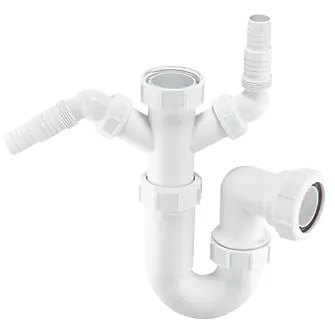
40mm Appliance Waste Trap With integrated spigot for under-sink connection |
Cracked or leaking under-sink trap; stuck blanking cap that can't be removed cleanly from the existing fitting | View Part |
|
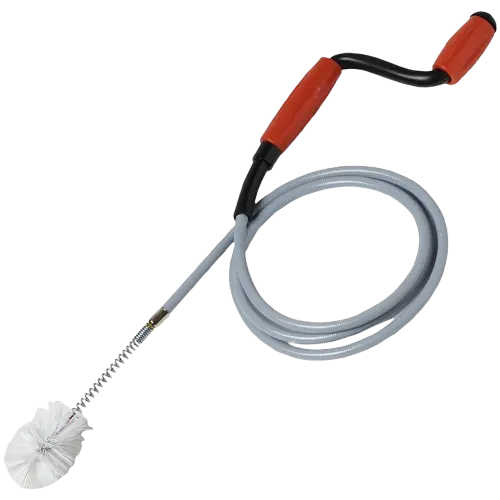
Rothenberger Drain Auger Spring unblocker for 40mm waste pipes |
Deep blockages in the standpipe or shared waste line beyond the P-trap that soda crystals alone won't clear | View Part |
When to Call a Professional Plumber
Clearing a P-trap, swapping a standpipe kit, or straightening a kinked hose are all reasonable DIY jobs. But some drainage faults go beyond what a hand snake and a new trap can sort out.
- Persistent blockage after snaking. If you've cleared the accessible trap and run a snake down the pipe but the overflow keeps returning, the blockage is likely in the main soil stack, external gully, or underground drain run. These need a high-pressure water jetter or electromechanical drain cleaning machine. The same kind of deep drain blockage that causes a washing machine overflow can affect multiple fixtures at once — our guide to unblocking a toilet without chemicals explains how to identify whether you're dealing with a localised fault or a mainline drain issue.
- Multiple fixtures affected simultaneously. If your kitchen sink, bathroom basin, and washing machine are all struggling at the same time, you have a shared drain or soil stack issue rather than a simple local blockage. Our guide on complex plumbing faults affecting upstairs fixtures covers how to trace problems that span multiple floors and drainage runs.
- New pipework needed. If your 40mm waste run is incorrectly sized, poorly routed, or doesn't have enough fall, you'll need a plumber to re-run it properly. Look for a plumber registered with WaterSafe — the UK's national register for approved plumbing businesses — to make sure the work complies with Water Fittings Regulations.
- The machine itself is leaking from the base. If water is appearing beneath the machine rather than from the standpipe or hose connection, the fault is internal — a perished door seal, a cracked tub, or a failed pump seal. On a machine over 8 to 10 years old, a repair callout plus parts often costs more than a replacement. Get a written quote before committing.
Questions & Answers
Real questions from homeowners — answered by our team.
Community Questions
Washing Machine Drain Overflowing — FAQs
Why does my washing machine drain overflow only on the spin cycle?
The machine actually pumps out the bulk of its water just before the spin cycle starts, not during it. The internal drain pump expels everything in one fast, high-pressure burst. If there's even a partial blockage or an undersized pipe in the system, it can't handle that sudden surge, and water backs up and overflows from the standpipe. During the spin itself, very little water is discharged, so by that point the damage is already done.
Can I put bleach down the washing machine standpipe to clear a blockage?
Bleach won't shift a physical blockage made up of lint, soap scum, and debris — it's not thick enough to cling to greasy deposits the way soda crystals do. More importantly, bleach can react with residual washing powder in the pipe and produce fumes, and regular use can degrade older rubber seals in the trap. Stick to soda crystals dissolved in hot water for routine maintenance, and a drain snake for anything more stubborn.
My kitchen sink gurgles every time the washing machine drains. Is that a problem?
Yes, it's worth sorting. The gurgling means the surge of water from the washing machine pump is pulling air down the shared waste pipe and creating a partial vacuum. That vacuum can siphon the water seal out of your kitchen sink's P-trap, allowing foul sewer odours into the kitchen. It usually points to a shared drain that's partially restricted or a ventilation pipe that's blocked or too small. If the gurgling started recently, check our guide on slow sink drainage to diagnose whether a shared blockage is building up.
How high should a washing machine standpipe be in the UK?
Between 600mm and 900mm from floor level, measured to the open top of the pipe. It must always be higher than the water level inside the drum during the wash cycle — if it isn't, wastewater will siphon back into the drum or gravity will work against the pump. Most standard UK standpipe kits are built to 600mm, which meets the minimum requirement for the vast majority of domestic washing machines.
What size waste pipe does a washing machine need in the UK?
A dedicated 40mm internal diameter pipe. If the machine has been connected into a narrower 32mm basin waste pipe, the bore lacks the volume capacity to accept the pump's output fast enough, creating a constant bottleneck and regular overflows on every cycle. This is a common installation error in older UK kitchens where a basin waste was the closest available connection point.
Water is leaking from the hose connection behind the machine, not the standpipe top. What's wrong?
If water is dripping or spraying from the point where the grey corrugated hose connects to the machine's outlet nozzle, the jubilee clip has probably worked loose from vibration. Tighten it with a flathead screwdriver. If the hose itself has cracked, you need a replacement drain hose for your specific make and model. If the leak is from the connection at the under-sink end, refer to our guide on fixing a leaking pipe under a sink for how to replace the trap or reseal the spigot connection.
How often should I clean my washing machine pump filter?
Every three to six months as a minimum, or more often if you regularly wash pet bedding, fleece, or heavily soiled items. If your machine takes much longer to drain than it used to, or is flashing a drain error code, the filter is the first thing to check. It takes less than five minutes: open the small flap at the bottom front corner of the machine, put a shallow tray underneath, and unscrew the cap slowly to let any residual water out before clearing the filter.