Weir Cup / Flow Meter Jug – Measure Your Tap's Flow Rate in 6 Seconds
A weir cup (also sold as a flow meter jug or flow rate measure bag) is a calibrated container used to test how many litres per minute a tap or shower delivers. It is the fastest way to diagnose low flow problems in any UK home.
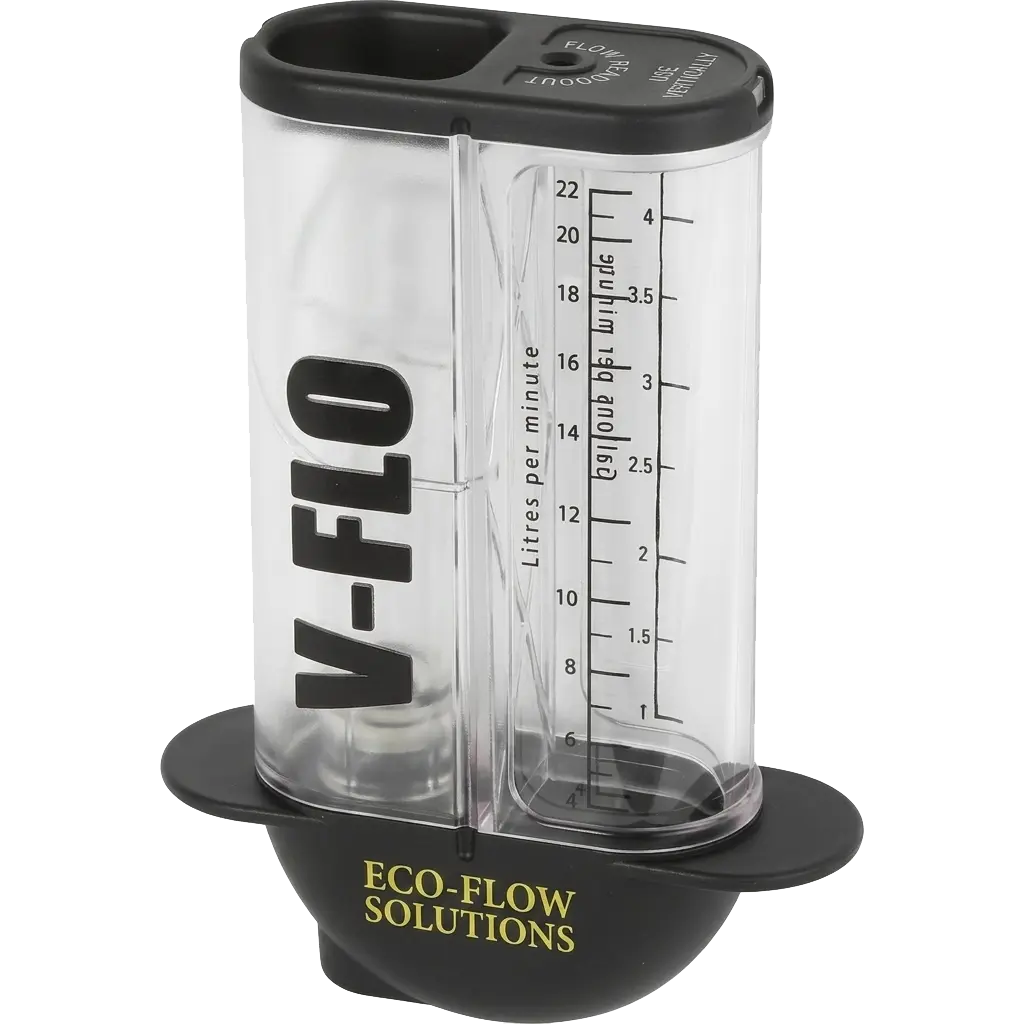
What does a Weir Cup actually do?
In standard UK plumbing diagnostics, a weir cup is designed to:
- Measure Flow Rate Instantly: Hold it under a running tap for exactly 6 seconds — the graduated markings convert the collected volume directly into litres per minute.
- Identify Weak Outlets: Compare readings at different taps to isolate whether the problem is the mains supply, a specific pipe run, or a blocked aerator.
- Verify Shower Suitability: Shower manufacturers specify a minimum flow rate (usually 8–12 l/min). A jug test confirms whether your supply meets the requirement before you buy — particularly useful if you're already dealing with a low pressure shower.
Understanding Your Reading
UK water regulations define "adequate flow" for domestic taps at a minimum of 9 litres per minute at the outlet. Here is how to interpret what your jug shows:
Where to Buy a Flow Meter Jug in the UK
Flow measure jugs are inexpensive and widely stocked. Prices typically range from £5 to £15. Some water companies send them out free of charge — always worth asking before buying.
| Retailer | Stock Status | Benefit | Link |
|---|---|---|---|
| Screwfix | In Stock | Compact bags ideal for tight spaces under kitchen taps | View Range |
| Toolstation | Available | Rigid jugs with clear litre markings — easier to read | Check Stock |
How to Use a Weir Cup / Flow Meter Jug
The whole test takes under a minute and requires no tools or plumbing knowledge whatsoever.
Choose the Right Tap
Start at the tap you suspect has low flow — often the kitchen cold tap or a shower mixer. Make sure no other taps or appliances (dishwasher, washing machine) are running at the same time, so you get a true reading.
Hold for Exactly 6 Seconds
Open the tap fully. Hold the jug or bag directly beneath the outlet and collect water for precisely 6 seconds (use your phone timer). Do not angle the container — hold it level so none splashes out.
Read the Calibrated Scale
The graduated markings on a 6-second jug are already printed in litres per minute — the water level sits directly against the l/min figure. No maths required. On a standard measuring jug, multiply the collected millilitres by 10 to get l/min.
Test Multiple Outlets
Repeat the test at the stopcock (if accessible), the kitchen cold tap, and the shower. If the stopcock reads high but the shower reads low, the restriction is somewhere in your internal pipework — not the mains supply. Our guide on fixing low water pressure upstairs walks through the most common culprits.
💡 Pro Tips for an Accurate Reading
- Remove the aerator first: The mesh aerator screwed onto most tap spouts restricts flow by design. Remove it before testing if you want to measure the pipe's true capacity, not the tap's restricted output.
- Test at off-peak times: Early morning (6–9am) or evening (6–9pm) is when mains pressure is lowest. A reading then reflects your worst-case scenario.
- Ask your water company: Many UK water suppliers (Thames Water, Severn Trent, Yorkshire Water, etc.) will post you a free flow jug and provide a target reading for your area.
- Pair with a pressure gauge: Flow rate and water pressure are related but not the same. Use a mains pressure gauge alongside the jug for a complete picture.