Standard Sink Plunger: The UK Homeowner's Essential DIY Tool
The simple cup plunger is the first line of defence against slow-draining kitchen sinks and bathroom basins. Safe for all UK plumbing, it uses pressure to clear blockages without harsh chemicals.
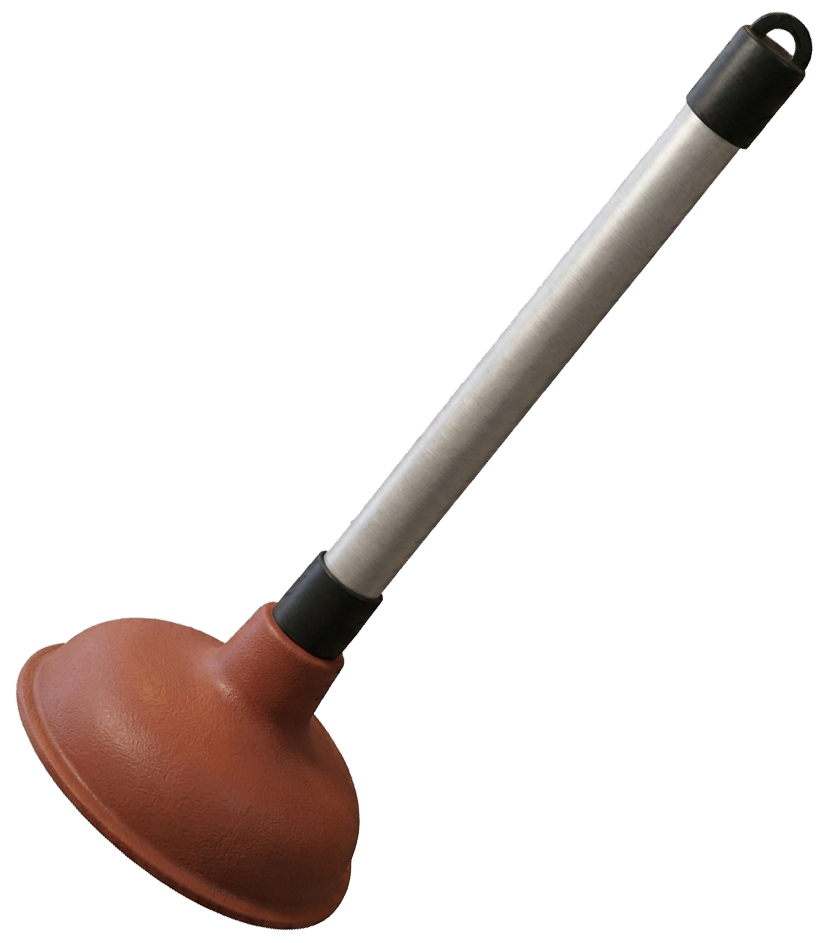
Classic Cup Plunger
A standard sink plunger is designed for flat-bottomed basins. It is the most effective way to clear "soft" blockages like hair and food waste:
- Flat Rim: Designed to create an airtight seal on the flat surfaces of sinks and baths.
- Safe for Pipes: Unlike chemicals, it won't damage older UK lead or modern plastic piping.
- Universal Fit: Suitable for 32mm bathroom waste and 40mm kitchen waste pipes.
When to Use a Sink Plunger
Identify these common UK household plumbing issues where a plunger is the best choice:
Where to Buy Quality Plungers in the UK
Standard plungers are affordable, usually costing between £4 to £10. Look for one with a thick rubber cup for the best suction.
| Retailer | Stock Status | Product Type | Link |
|---|---|---|---|
| Screwfix | In Stock | Kind of Sink Plunger | View at Screwfix |
| Toolstation | Available | Draper Big Sink Plunger | Check Toolstation |
⚠️ Plunger Pro-Tip: Never use a sink plunger for a toilet. Toilets require a "Flange" or "Bellows" plunger that can seal the curved throat of the bowl. A standard sink plunger's flat rim will not create the vacuum needed for a toilet blockage.
How to Unblock a Sink Correctly
Seal the System
In the UK, most sinks have an overflow hole. Use a damp cloth to block this tightly. If you don't, the air pressure will escape here instead of hitting the blockage.
Add Water
Ensure there is enough water in the sink to completely cover the rubber cup of the plunger. This ensures you are pushing water (incompressible) rather than air.
Create a Vacuum
Apply a small amount of petroleum jelly to the rim of the cup for a better seal. Place it over the plug hole and push down slowly to remove trapped air.
Vigorous Motion
Push and pull the plunger up and down vertically with quick, sharp movements for 20-30 seconds. Pulling back is often more effective at dislodging the clog than pushing.
💡 Pro Tips for Better Suction
- Warm the Rubber: If the plunger cup feels stiff, soak it in hot water for 2 minutes. This makes the rubber more flexible and improves the seal.
- Double Sink Tip: If you have a double kitchen sink, you must block the second plug hole while plunging the first.
- Clean the Plunger: Always rinse your plunger with disinfectant after use to prevent bacteria build-up in your kitchen cupboard.