Why Are My Lights Flickering? Causes & Fixes for UK Homes
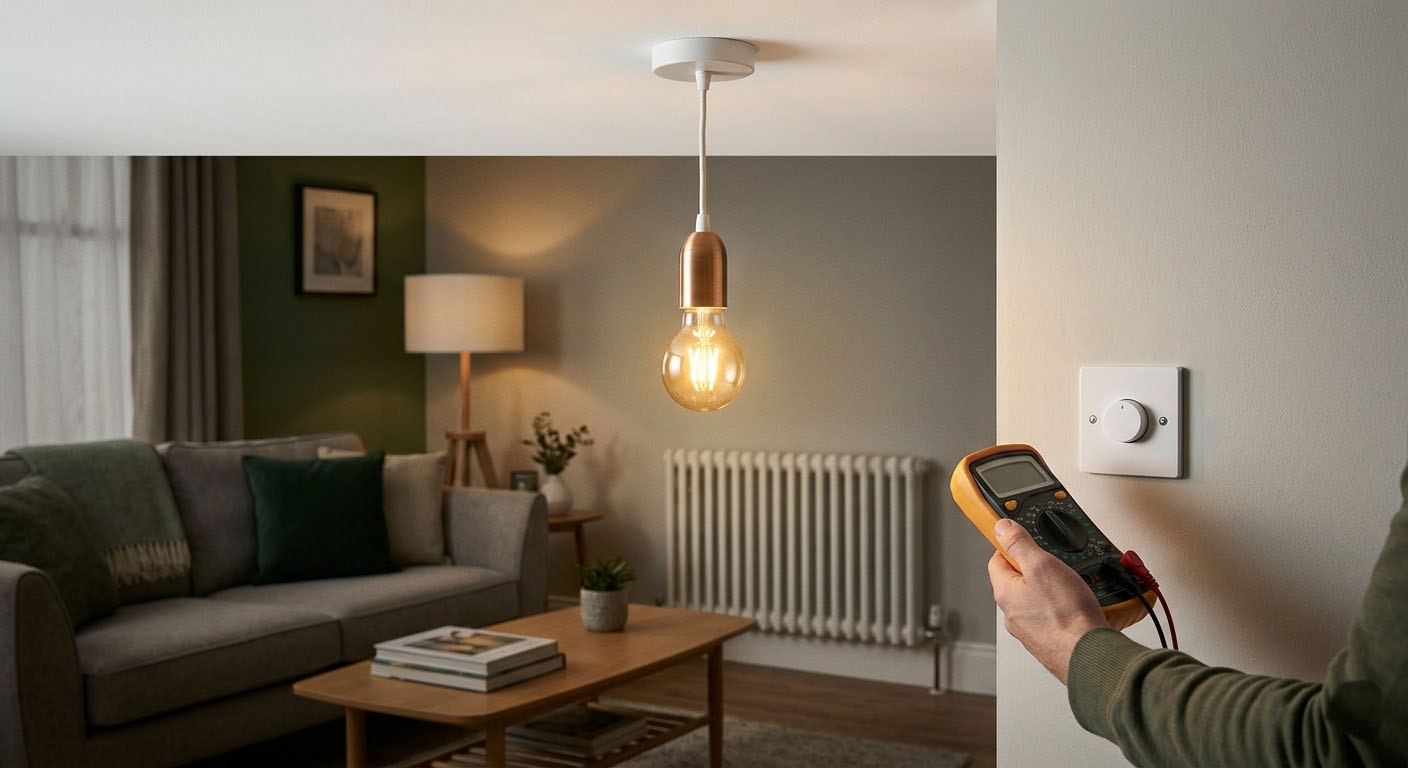
Flickering lights in a UK home can range from a minor nuisance — a loose bulb or faulty lamp plug — to a serious warning sign of faulty wiring or an overloaded circuit. Whether it's a single ceiling rose or every light in the house, identifying the pattern is the key to a safe, lasting fix.
In this guide, we cover the most common reasons lights flicker in UK homes: from incompatible LED dimmer switches to loose connections at the consumer unit. We also explain exactly when and how to contact a Part P registered electrician.
Jump to a Section
1. Troubleshooting a Single Flickering Light
If only one light is flickering, the problem is almost always contained within that specific fitting or bulb. Work through these checks before calling an electrician:
- Loose Bulb: Ensure the bulb is fully seated. UK fittings use either a B22 bayonet cap or an E27 Edison screw. A loose bulb creates intermittent arcing at the contacts, which causes the flicker.
- Failing Bulb: LED and CFL bulbs contain internal driver circuitry that degrades over time. Swap the bulb with a known-good one to rule this out quickly.
- Loose Plug: For table or floor lamps, confirm the 13A plug is firmly seated in the socket and that the fuse is secure inside the plug top.
- Faulty Lampholder: Older brass or plastic lampholders can develop corroded or loose contacts. If the bulb and plug check out, replacing the lampholder (under £5) is the next step.
2. LED and Dimmer Switch Incompatibility
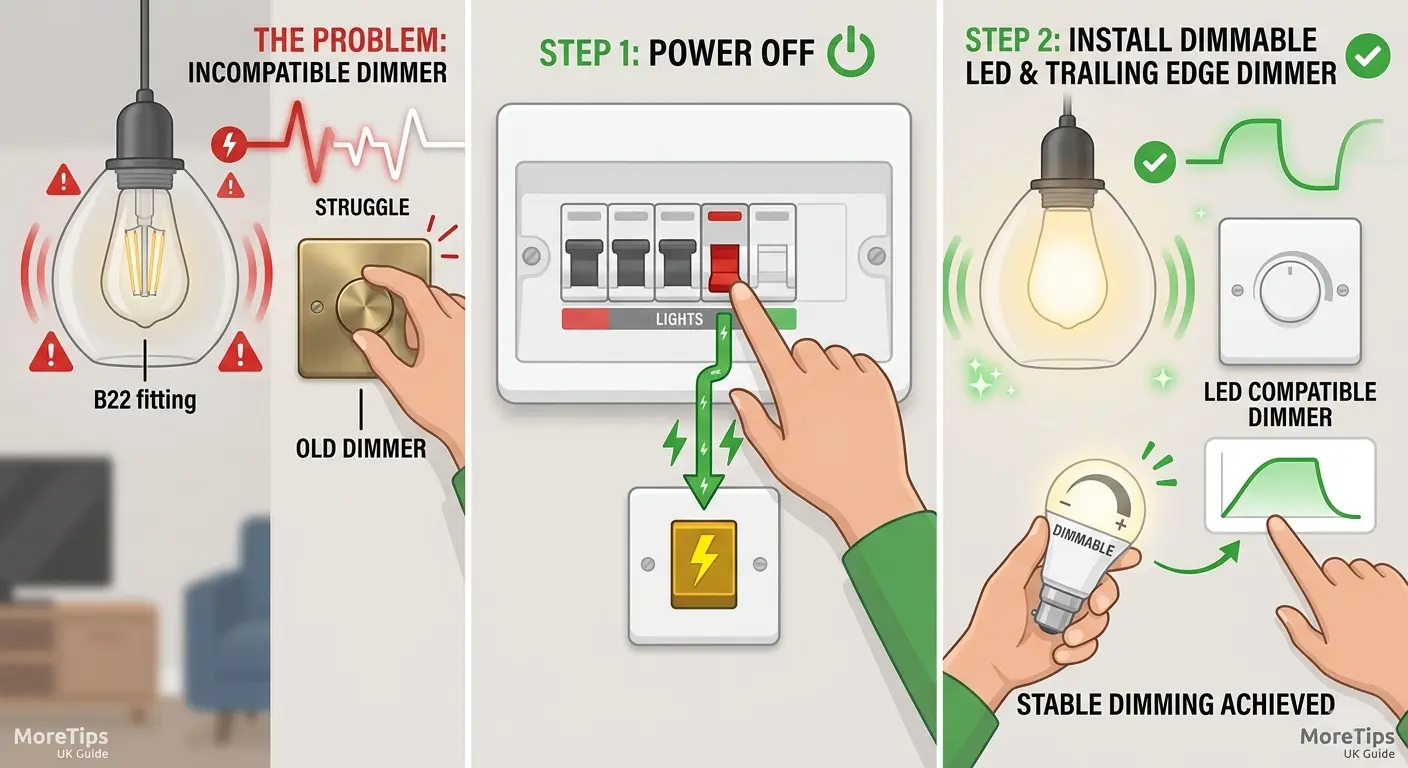
This is the single most common cause of flickering lights in modern UK homes, especially after LED upgrades. Older leading-edge dimmer switches were engineered for high-wattage incandescent bulbs drawing 60–100W or more.
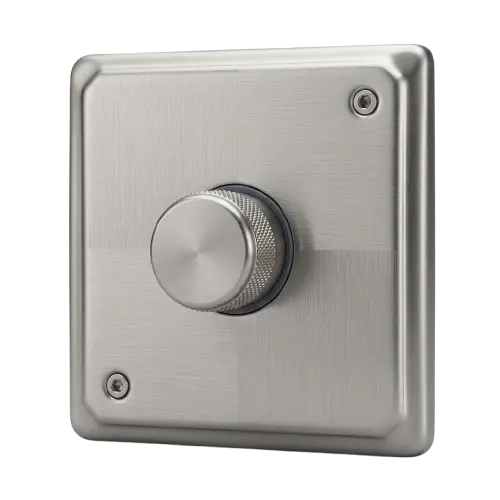
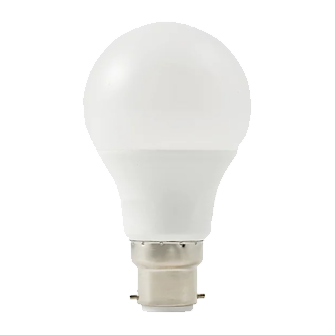
When you install low-wattage LEDs (typically 4–10W) on an old leading-edge dimmer, the switch cannot regulate the much smaller load. The result is a strobe or flicker effect — sometimes at all brightness levels, sometimes only at low settings. The fix is straightforward: pair dimmable LED bulbs with a trailing-edge (LED-compatible) dimmer switch. Check that the dimmer's minimum load rating is below the total wattage of your LEDs.
Flickering Light Fixes: Recommended Parts
Always isolate the circuit at the consumer unit before replacing a switch or fitting. If you are unsure, consult a qualified electrician.
3. Lights Flickering When Large Appliances Turn On
Do your lights dip or flicker the moment the kettle, electric shower, or washing machine starts? High-wattage appliances draw a significant surge of current at start-up, causing a brief voltage drop across the supply. Your lights react to this drop.
A single, brief dip when a heavy appliance starts is considered normal in older UK properties with ageing supply cables. However, repeated or severe flickering suggests that your consumer unit, the main supply cable, or the meter tails may be undersized for your household's current demand. This warrants an inspection by a Part P registered electrician.
4. Loose Wiring and Electrical Arcing — A Fire Risk
If you hear a buzzing, crackling, or sizzling sound alongside the flicker, switch the light off at the wall immediately and isolate the circuit at the consumer unit. This is a sign of electrical arcing — electricity jumping a gap at a loose connection. Arcing generates intense localised heat and is a leading cause of domestic electrical fires in the UK.
In UK homes, loose connections most commonly develop at the loop-in ceiling rose — the plastic fitting behind your ceiling light. Because UK lighting circuits are wired in a daisy-chain (ring or radial), a single loose neutral at one ceiling rose can cause flickering in several rooms simultaneously. This is not a DIY repair; the circuit must be isolated and inspected by a qualified electrician.
When to Call a NICEIC or NAPIT Registered Electrician
Under Part P of the Building Regulations, certain electrical work in England and Wales must be either carried out by a registered competent person or notified to your local authority. Call a NICEIC- or NAPIT-registered electrician if you notice any of the following:
- Flickering affects the whole house, not just one circuit.
- You can smell burning plastic or see scorch marks on sockets or switches.
- Your RCD (Residual Current Device) keeps tripping when the lights are on.
- Flickering occurs mainly during high winds — this suggests a problem with the overhead service cable between the street and your property.
- Your home has rubber-insulated wiring (pre-1966) or an older rewirable fuse board without RCD protection.
You can find a registered electrician using the NICEIC Find a Contractor tool or the NAPIT member search.
Summary
Most flickering lights in UK homes are solved by replacing an old leading-edge dimmer switch with a trailing-edge model, or by fitting a quality dimmable LED bulb. These are low-cost, low-risk fixes you can do yourself (with the power off). But flickering accompanied by buzzing, burning smells, or tripping breakers is a different matter entirely — act immediately and get a registered electrician to inspect the wiring. A small repair now is far cheaper than a rewire or an insurance claim later.
Frequently Asked Questions
Can a flickering light cause a fire?
If the flicker is caused by a loose connection (arcing), yes. Arcing generates intense heat which can ignite cable insulation or timber joists. If the light buzzes or you notice warmth around the fitting, turn it off immediately at the wall and at the circuit breaker.
Why do my LED lights glow dimly when switched off?
This is called ghosting, caused by a small residual current in the circuit — common in UK two-way (two-switch) lighting circuits. Installing a Zano suppressor capacitor across the switch terminals, or switching to higher-quality dimmable LED bulbs, usually resolves it.
How much does a UK electrician charge to fix flickering lights?
Expect a call-out fee of £50–£90 plus an hourly rate of around £40–£70 in most UK regions (higher in London). A loose connection in a ceiling rose is typically a one-hour job. Replacing a dimmer switch is similar. Always get a fixed quote before work starts.
Could the flickering be a National Grid or DNO fault?
If your neighbours are experiencing the same issue, the problem may be a fault with the local distribution network — for example, a loose neutral at the substation. Call 105 (free, 24/7) to report it to your District Network Operator (DNO). You are not responsible for faults on the network side of your meter.
Why does my smart bulb flicker but a standard LED does not?
Smart bulbs (such as Philips Hue or LIFX) require a constant, stable full-voltage supply to power their internal Wi-Fi or Zigbee radio. A traditional dimmer switch — even set to maximum — can introduce voltage ripple that destabilises the bulb's driver, causing it to flicker or drop off the network. The fix is to replace the dimmer with a standard on/off switch, or use a smart switch instead of a smart bulb.