Trailing Edge Dimmer Switches – The Fix for LED Flickering
If your modern LED bulbs are strobing, flickering, or buzzing, the culprit is likely an outdated dimmer switch. Trailing edge dimmers are the UK standard for low-wattage lighting, providing smooth control and protecting your bulbs' lifespan.
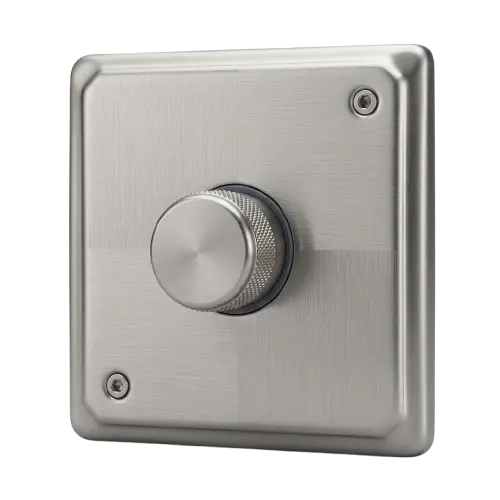
Why Trailing Edge is Essential
Unlike old "Leading Edge" switches designed for 60W bulbs, Trailing Edge dimmers are built for the delicate electronics inside LEDs:
- Smooth Dimming: Gradually fades the voltage for a "soft" start and flicker-free performance.
- Silent Operation: Eliminates the annoying buzzing sound common with incompatible switches.
- Safety Compliance: Built to meet BS EN 60669-2-1 for domestic electronic switches.
Trailing Edge vs. Leading Edge
Choosing the wrong switch is the #1 mistake in UK home renovations.
Where to Buy LED Dimmers in the UK
A quality LED-compatible dimmer usually costs between £15 and £30. Always ensure the product specifies "Trailing Edge" or "LED Compatible."
| Retailer | Stock Status | Benefit | Link |
|---|---|---|---|
| Screwfix | In Stock | Varilight V-Pro range (Industry Gold Standard) | View Range |
| Toolstation | Available | Edge Dimmer Switch 2 Gang | Check Price |
| Amazon | In Stock | Kind of Dimmer Switch Modern | View Details |
How to Install Your New Dimmer Switch
Working with electricity is dangerous. UK Building Regulations (Part P) allow homeowners to replace a like-for-like switch, but if you are adding a new circuit or working in a bathroom, you must use a professional. Always use VDE-rated tools.
Isolate & Verify
Turn off the lighting circuit at your Consumer Unit (Fuse Box). Do not just rely on the wall switch. Open the switch plate and use a non-contact voltage tester or a 2-pole tester to confirm that the wires are truly "dead."
Depth & Space
Dimmer switches have deeper internal modules than standard rocker switches. Ensure your wall "back box" is at least 25mm deep (or 35mm for some high-wattage models). If the box is too shallow, you may need to install a spacer plate or a deeper box to prevent crushing the wires.
Connect the Terminals
Identify your wires. In modern UK wiring:
- Permanent Live (Brown): Connect to the terminal marked 'C' or 'COM' (Common).
- Switched Live (Blue with Brown Sleeve): Connect to the terminal marked 'L1'. Note: If the blue wire has no brown sleeve, add one to show it is a live wire.
- 2-Way Circuits: If a second switch controls the same light, use the 'L2' terminal for the remaining core.
Metal Plate Bonding
If your new dimmer has a metal finish (e.g., Brushed Steel or Brass), you MUST connect the Green/Yellow Earth wire to the earth terminal on the back of the switch plate. If the earth wire is bare copper, it must be covered with green/yellow PVC sleeving.
Fine-Tuning the Dimmer
Switch the power back on. Turn the dimmer to its lowest setting. If the LEDs flicker or turn off completely, use a small screwdriver to turn the MIN or Potentiometer screw on the back of the module. Turn it slowly until the bulbs stay on steadily at the lowest possible light level.
💡 Pro Tips for Stable Lighting
- Standard Check: Look for the BS EN 60669-2-1 mark on the back to ensure UK legal safety compliance.
- Load Limits: Don't exceed the wattage of the dimmer. Most LED dimmers have a lower maximum load (e.g., 100W) than old switches.
- Mix & Match: Never mix different brands of LED bulbs on the same dimmer circuit, as their internal drivers may fight each other, causing flicker.